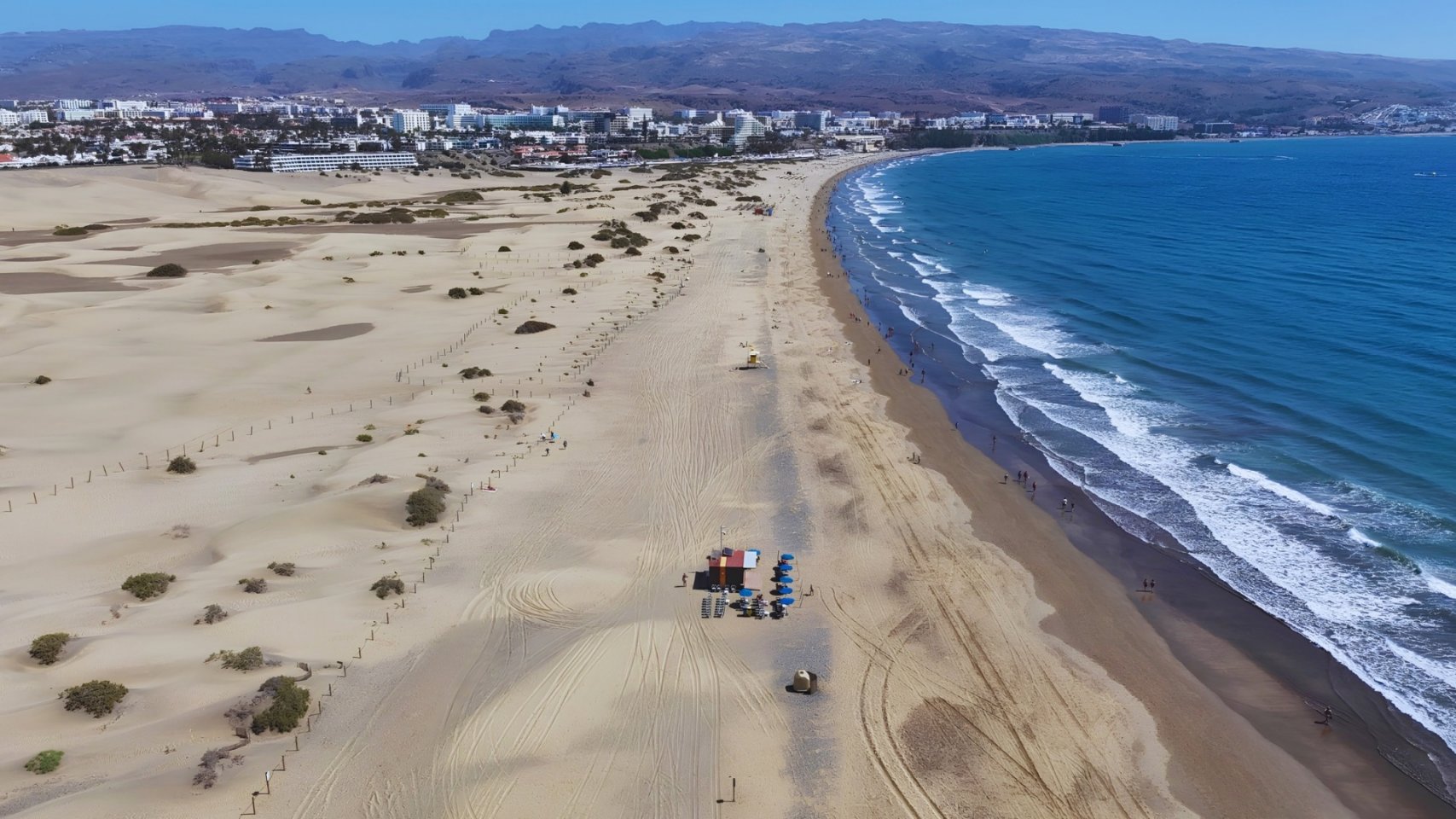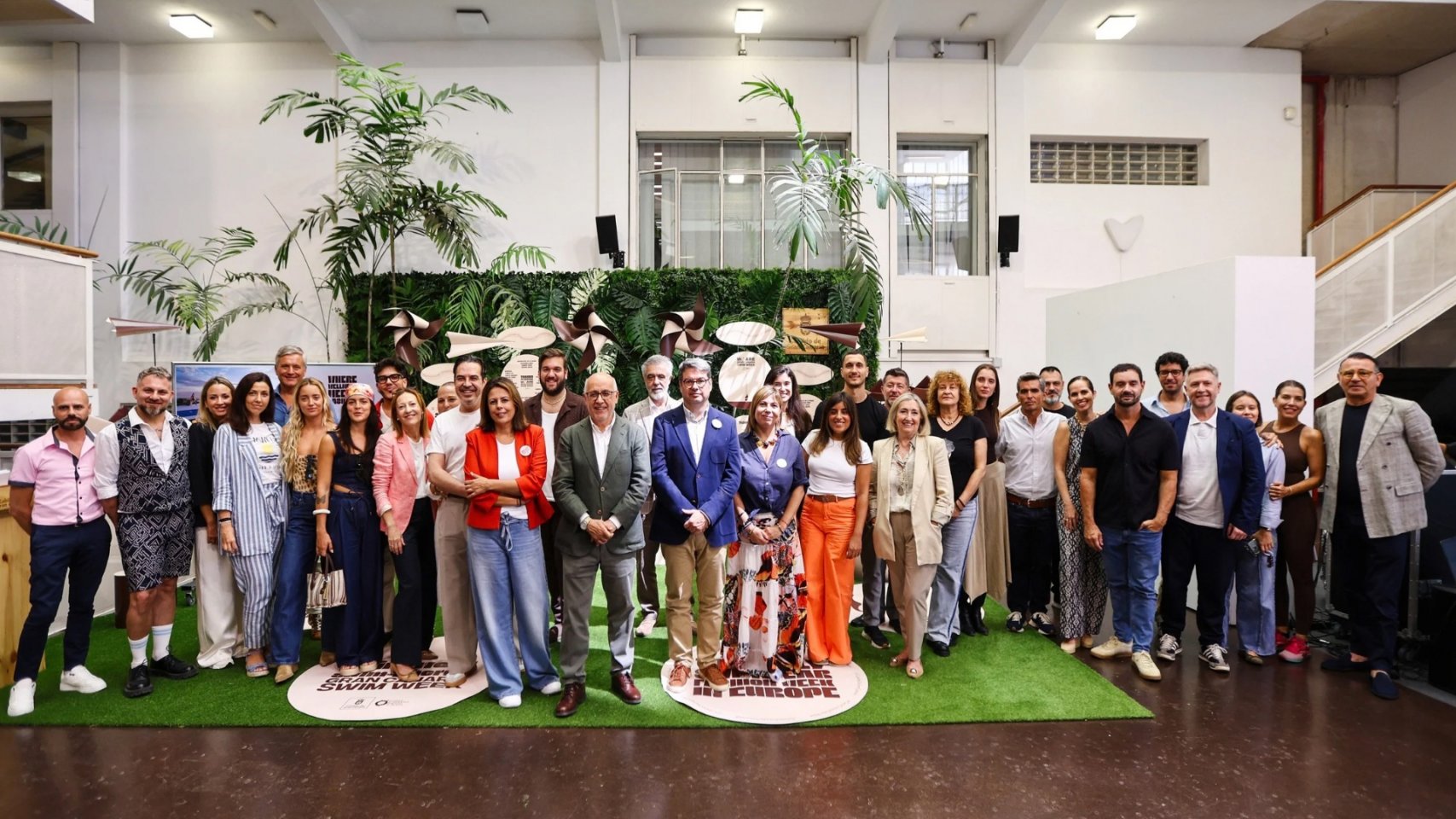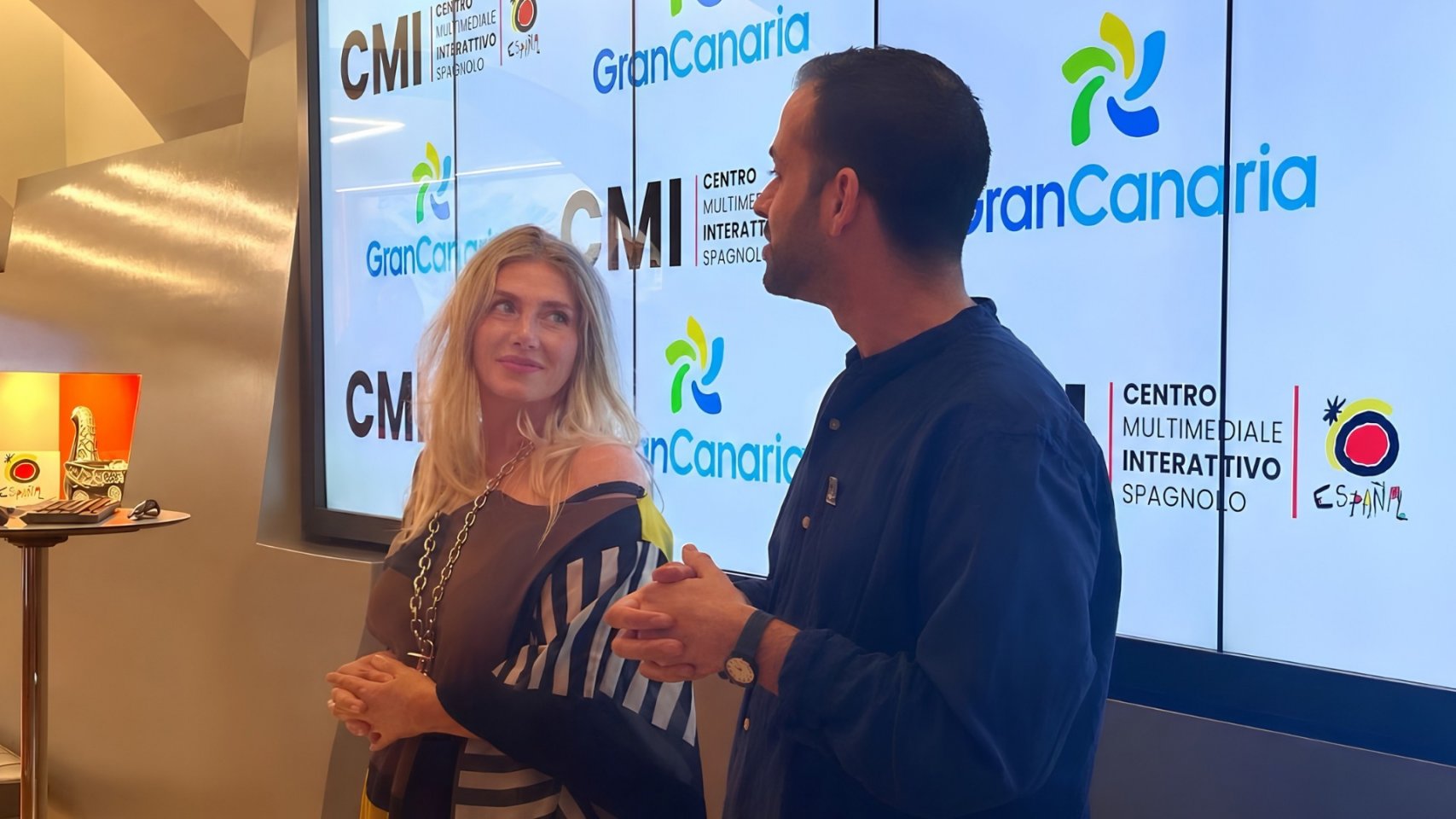
The whisper of the wind shaping the Maspalomas Dunes resonated powerfully in the heart of Italy's financial capital . International delegations , tour operators , and trendsetters from the Italian market gathered at Turespaña's Interactive Multimedia Center for the third strategic session dedicated exclusively to promoting the Gran Canaria brand . This high-level technical meeting, far from being limited to the typical display of coastal brochures, served to analyze the metamorphosis of a destination that has ceased to be a mere sun and beach retreat, establishing itself as a laboratory for structural sustainability in the mid-Atlantic.
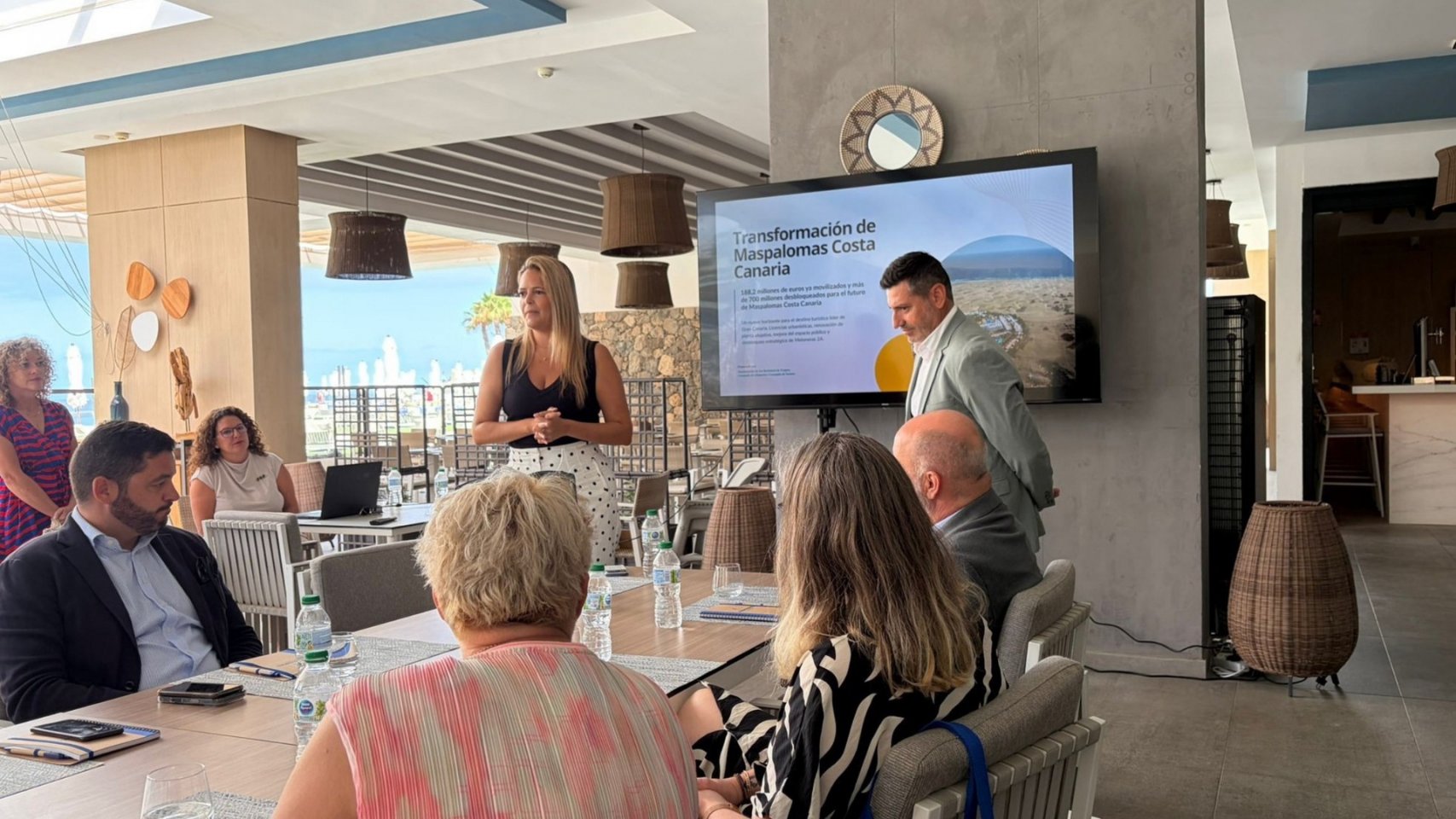
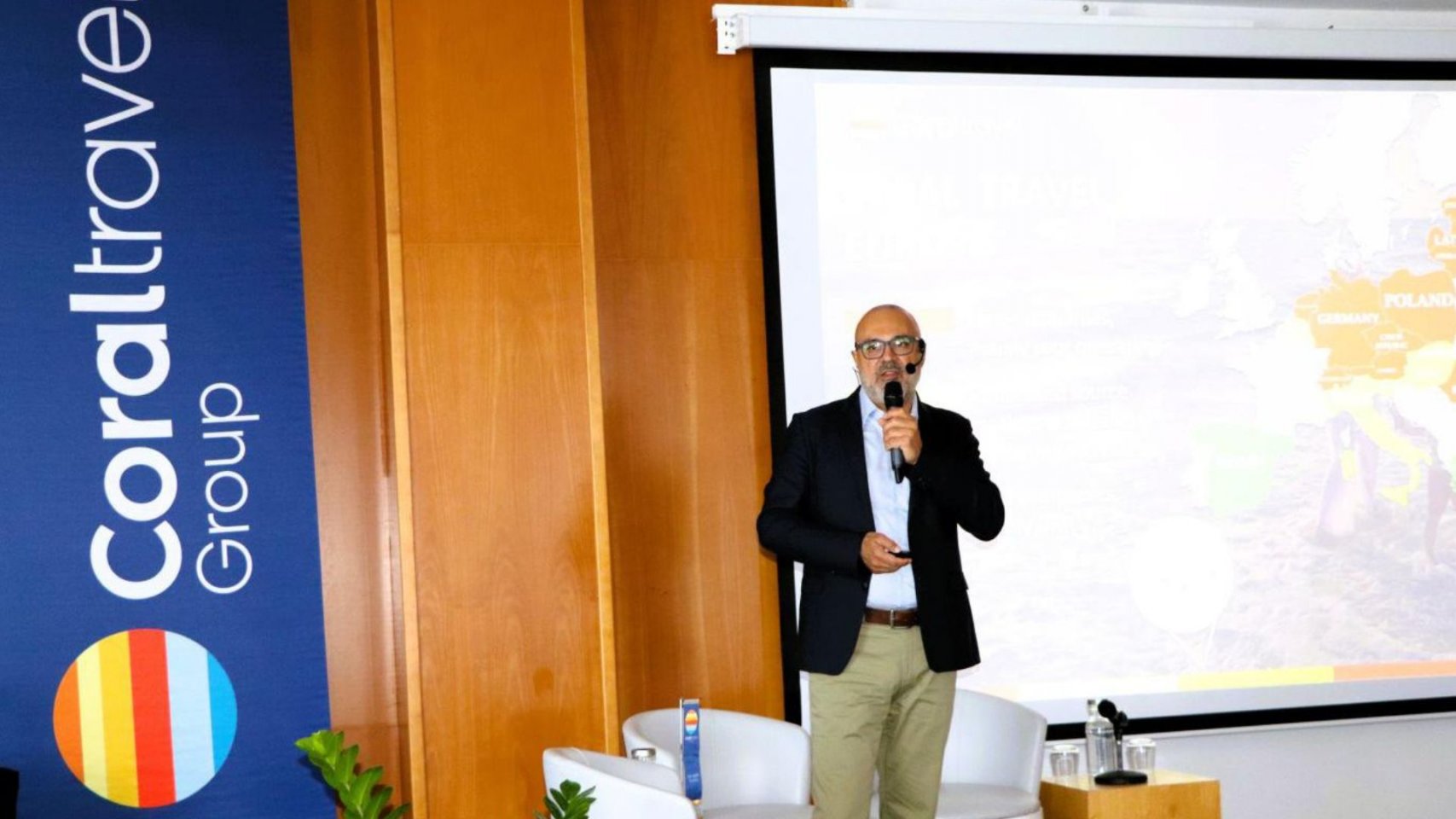
The opening remarks were delivered by Pablo Frías , who acted as host, welcoming a particularly discerning business forum. The Italian audience, characterized by a keen awareness of traveler experience design, local cuisine, and respect for the environment, sought concrete answers regarding the evolution of the island's tourism model. Frías outlined the session's main points before handing the floor to Silvia Donatiello , the official representative of Gran Canaria Tourism in Italy, who delivered a presentation that challenged traditional geographical stereotypes.
The core of the presentation revolved around a classic definition that today takes on a new operational meaning: Gran Canaria as a “continent in miniature” . Donatiello drew a living map that connects the northern slopes of the island, crowned by the humid pine forests of Tamadaba and the cliffs of the north coast, with the economic and tourist engine that beats uninterruptedly in the south.
This diverse landscape and microclimate was presented to Milanese tour operators as the main argument for easing visitor congestion, a critical challenge for islands seeking to balance business volume with the habitability of their land. The ideal Italian tourist, drawn to outdoor walks and the discovery of authentic trails that crisscross the midlands of Tunte or Fataga, finds on the island a place where disconnection doesn't mean isolation, but rather immersion in a millennia-old cultural heritage.
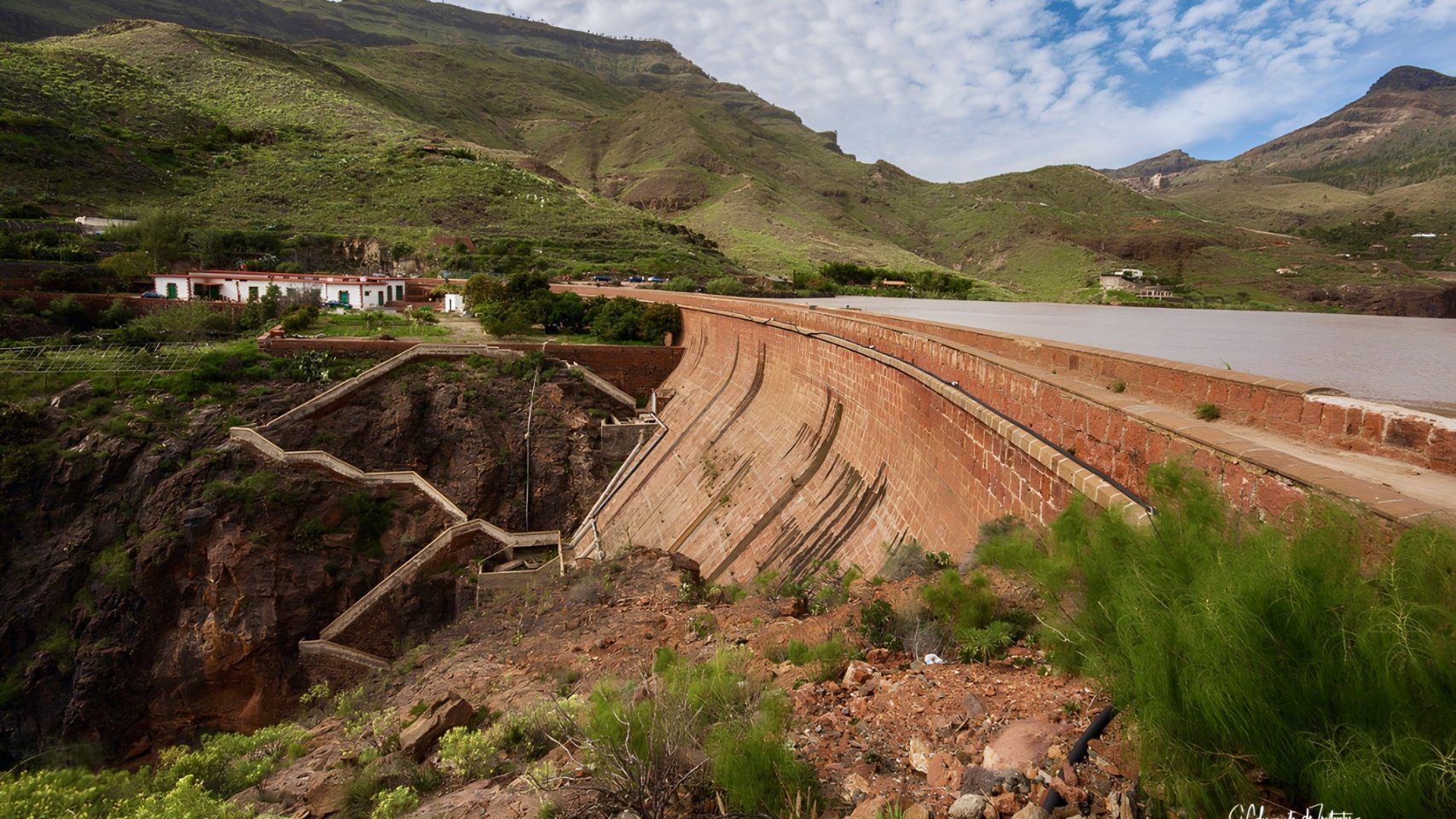
The exhibition reserved its most incisive section for analyzing the behavior and renewal of the southern tourist strip, with the Maspalomas Dunes , Playa del Inglés , and Meloneras as international flagships. In a market where European consumers actively penalize overcrowding and environmental degradation, the Canary Islands proudly showcased its Biosphere Destination status . This international certification is not merely a marketing label; it is the confirmation of a technical commitment that encompasses everything from the efficient management of the water cycle and water resources in arid zones to public plans for the regeneration of the dune ecosystem.
Milanese operators showed particular interest in the modernization projects for accommodation facilities in San Bartolomé de Tirajana . The current trend in southern Gran Canaria is not about acquiring new land, but rather about repurposing existing spaces, investing in four- and five-star hotel complexes that incorporate bioclimatic architecture, and implementing strict zero-waste and circular economy policies in their kitchens and buffets.
The island delegation demonstrated that southern Gran Canaria has successfully diversified its offerings to capture the highest-value niches of the Italian market. Traditional cuisine, enriched by the cultivation of local products in the southern valleys and the heroic viticulture on volcanic soils, serves as an ideal cultural bridge for travelers from Lombardy or Piedmont. The restaurants of Meloneras and the new culinary hotspots along the southern coast no longer simply emulate international standards; they champion locally sourced products, internationally acclaimed cheeses, and coffee from the Agaete Valley as defining elements of the luxury experience.
On the other hand, the active and sports tourism segment was prominently featured at the Multimedia Center. The roads in the south of the island and the mountain trails have become a winter haven for professional cycling teams from all over Europe and mountain running enthusiasts. The ability to offer top-notch sports facilities right next to the hotels, combined with a climate that guarantees sunshine and mild temperatures 365 days a year, reduces seasonality and ensures quality hotel occupancy outside the peak summer months.
The meeting in Milan concluded with a question-and-answer session where Italian travel agents confirmed the direct air connections linking airports in northern Italy with Gran Canaria, a logistical factor that strengthens the destination's accessibility. Silvia Donatiello and Pablo Frías's final words of thanks to the attendees brought to a close a day of work that not only reinforced traditional trade ties but also redefined the position of Maspalomas and southern Gran Canaria on the map of responsible tourism in 21st-century Europe.