The Administrative Court of the High Court of Justice of Madrid has dismissed the appeal filed by a Cuban citizen against the denial of a family reunification visa under EU regulations. The ruling upholds the decision of the Spanish Consulate in Havana, finding that the applicant had not sufficiently demonstrated financial dependence on her daughter-in-law, who resides in the municipality of Santa Lucía de Tirajana on Gran Canaria.
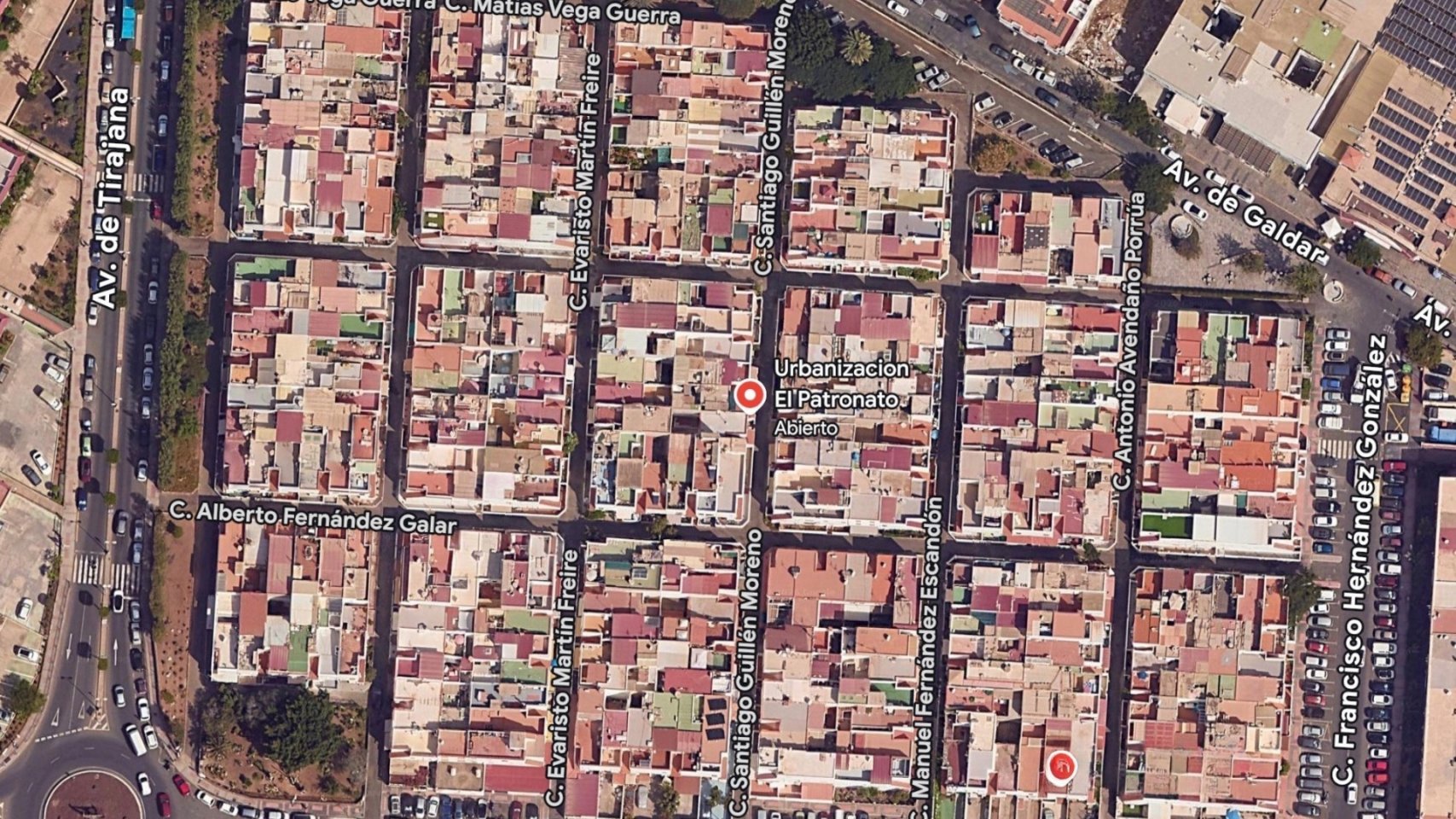
The ruling addresses the case of a woman born in Cuba in 1963, who applied for a visa to join her son and daughter-in-law in Gran Canaria. The daughter-in-law, a Spanish national, resides in Santa Lucía de Tirajana. In fact, the case file contains a notarized statement signed in Vecindario (Santa Lucía de Tirajana) on June 20, 2024, in which the relative residing in the Canary Islands expressed her desire to reunite with her husband's mother.
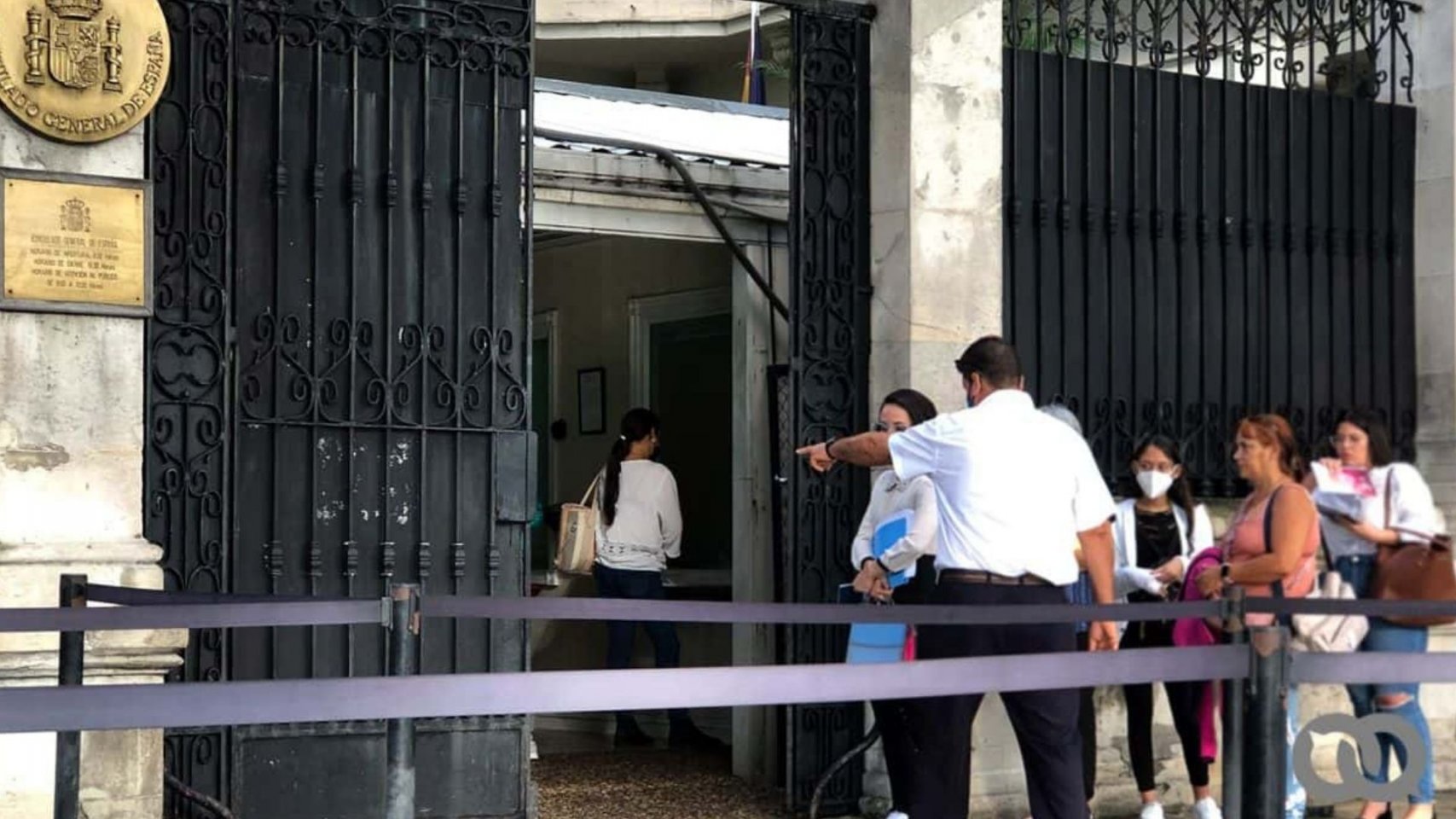
The Spanish Consulate in Havana initially denied the visa, arguing that the applicant did not meet the requirement of being a "dependent family member," since she is under 65 years old and did not demonstrate that she suffers from a disability or illness that would prevent her from taking care of herself.
The family appealed the decision, arguing that the applicant, a retired nurse, receives a minimum pension in Cuba and lives alone in a precarious house. They stated that her children in Tirajana send her remittances of food and money (providing proof of monthly transfers of approximately 120-130 euros between August 2023 and October 2024 from her daughter-in-law) and that another daughter has had to travel to Cuba to care for her.
However, the TSJM, following the consolidated doctrine of the Court of Justice of the European Union (CJEU) and of the Spanish Supreme Court itself, emphasizes that the concept of "in charge" requires proving a real and current situation of dependency.
The court concludes that, while remittances from the family member residing in Tirajana have been made, these do not in themselves prove that the applicant lacks income or that her income is so meager that she urgently needs these remittances to live with dignity in her country. The ruling states that "the exact social, family, and economic situation" of the applicant in Cuba is unknown, beyond acknowledging that she receives a pension and worked until 2023.
Regarding the applicant's health, the court considered a medical certificate submitted with the application diagnosing major depression. However, the judges determined that the report did not definitively establish that the condition necessarily requires direct, personal care from her family member in Spain.
Given the lack of conclusive evidence of economic dependency and the need for care, the Court dismisses the administrative appeal in its entirety, upholding the legality of the consular action. Furthermore, it orders the plaintiff to pay court costs, capped at 500 euros.