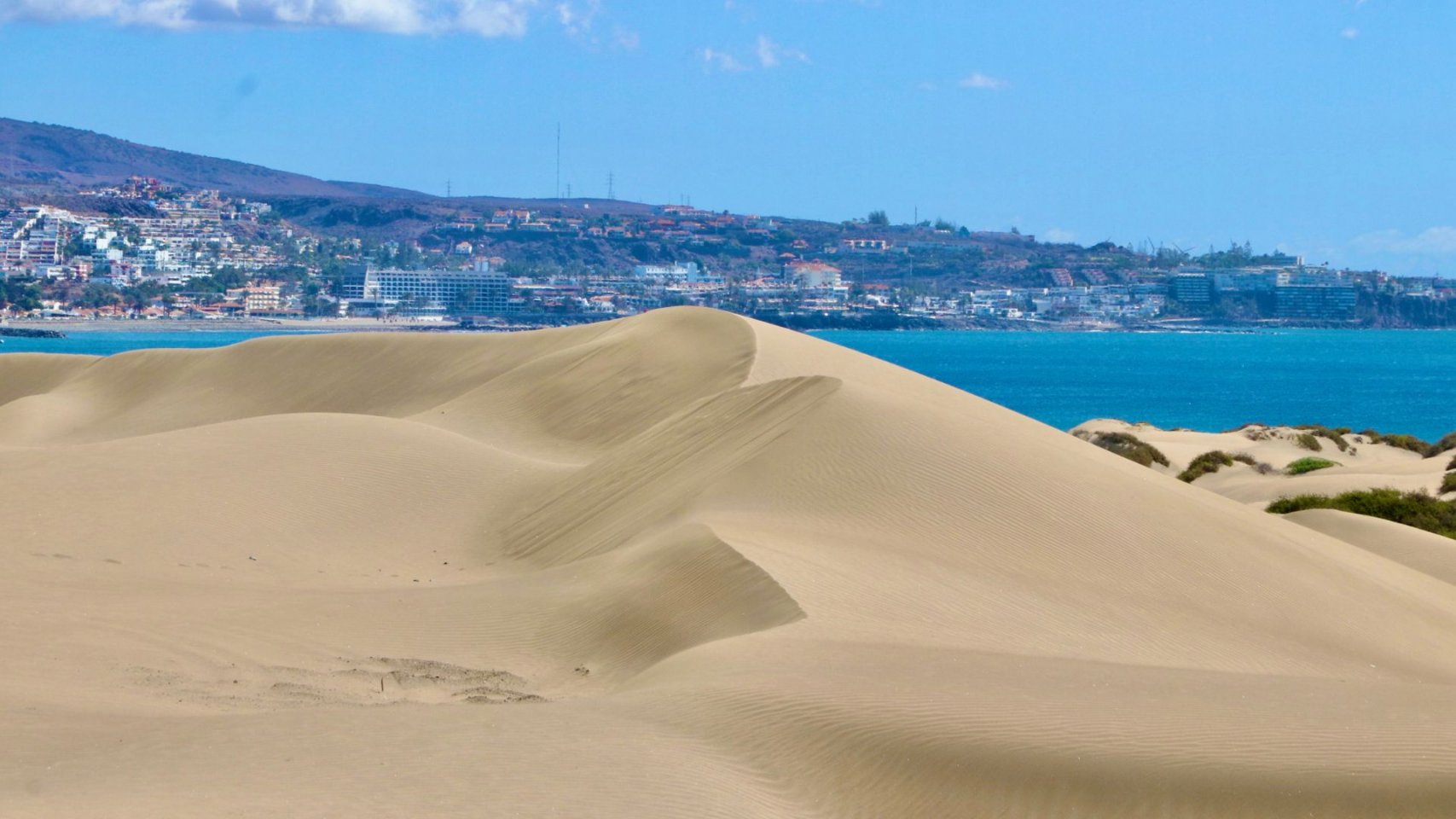
The tourist opulence of southern Gran Canaria masks a profoundly deteriorated agricultural reality beneath its asphalt. In San Bartolomé de Tirajana, the crop map for the season reveals a territory subjected to structural suffocation, where cultivated land is plummeting in the face of relentless abandonment, productive desertification, and the irreversible loss of food sovereignty in favor of the monoculture of construction.
Official agricultural data starkly illustrates this economic decline. Of the 3580 hectares analyzed in the municipality, the usable agricultural area has suffered an alarming decrease, dragging entire sectors into irrelevance. The fruit sector, encompassing 364 hectares in total, is divided between 156 hectares of subtropical fruit trees—notably 83 hectares of mangoes, 56 hectares of citrus fruits, 12 hectares of avocados, 10 hectares of almond trees, and small plots of papayas, pitayas, prickly pears, and fig trees—and 151 hectares of temperate fruit trees, predominantly 27 hectares of mixed fruit trees, 23 hectares of stone fruit, 20 hectares of vineyards, and 31 hectares of berries. Far from constituting a competitive sector, these plots survive trapped between speculation and a complete lack of generational succession.
This extreme fragmentation demonstrates that southern agriculture lacks critical mass. With twenty-seven production categories barely surviving on less than 100 hectares—and a large portion reduced to a mere one or two hectares—the primary sector in the municipality suffers from chronic undercapitalization. The loss of scale neutralizes any competitive capacity, turning the agricultural landscape into a graveyard of fragmented plots where the vast majority of the land is barren and abandoned.
The expansion of vegetable and orchard cultivation in the municipality exacerbates this structural problem. The vegetable and orchard sector encompasses 233 hectares, including 69 hectares of various vegetables, 53 hectares of historic tomato crops—a silent witness to a golden age of exports now completely extinct—50 hectares of vegetable gardens, 34 hectares of cucumbers, 15 hectares of potatoes, 10 hectares of family gardens, 9 hectares of corn, 8 hectares of melon and watermelon, as well as tiny plots of sweet potato and onion that do not exceed 2 hectares. Additionally, there are 2 hectares of ornamental and aromatic plants and 10 hectares of cereals, legumes, and forage crops, along with 73 hectares dedicated to banana cultivation and 20 hectares of vineyards.
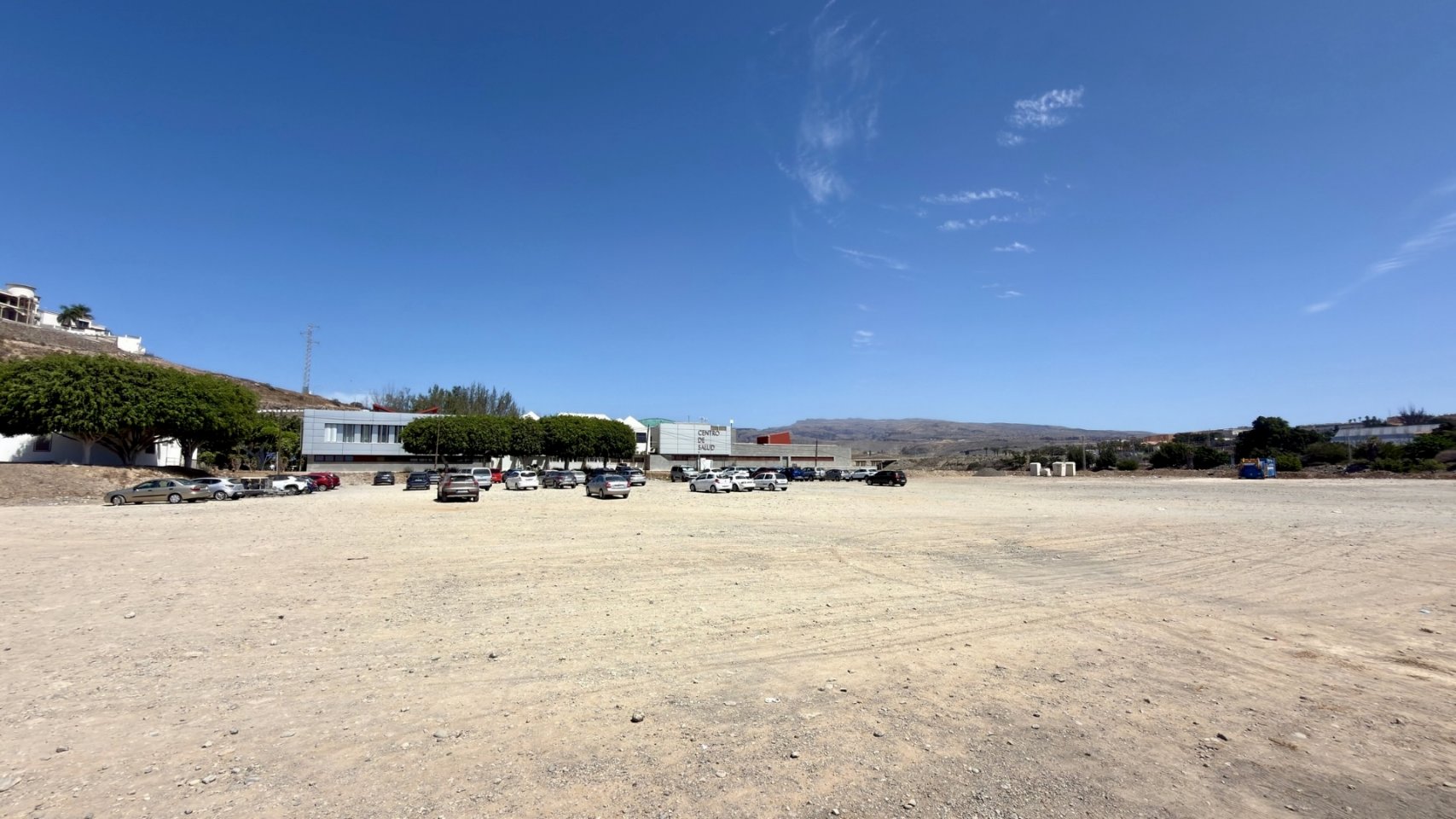
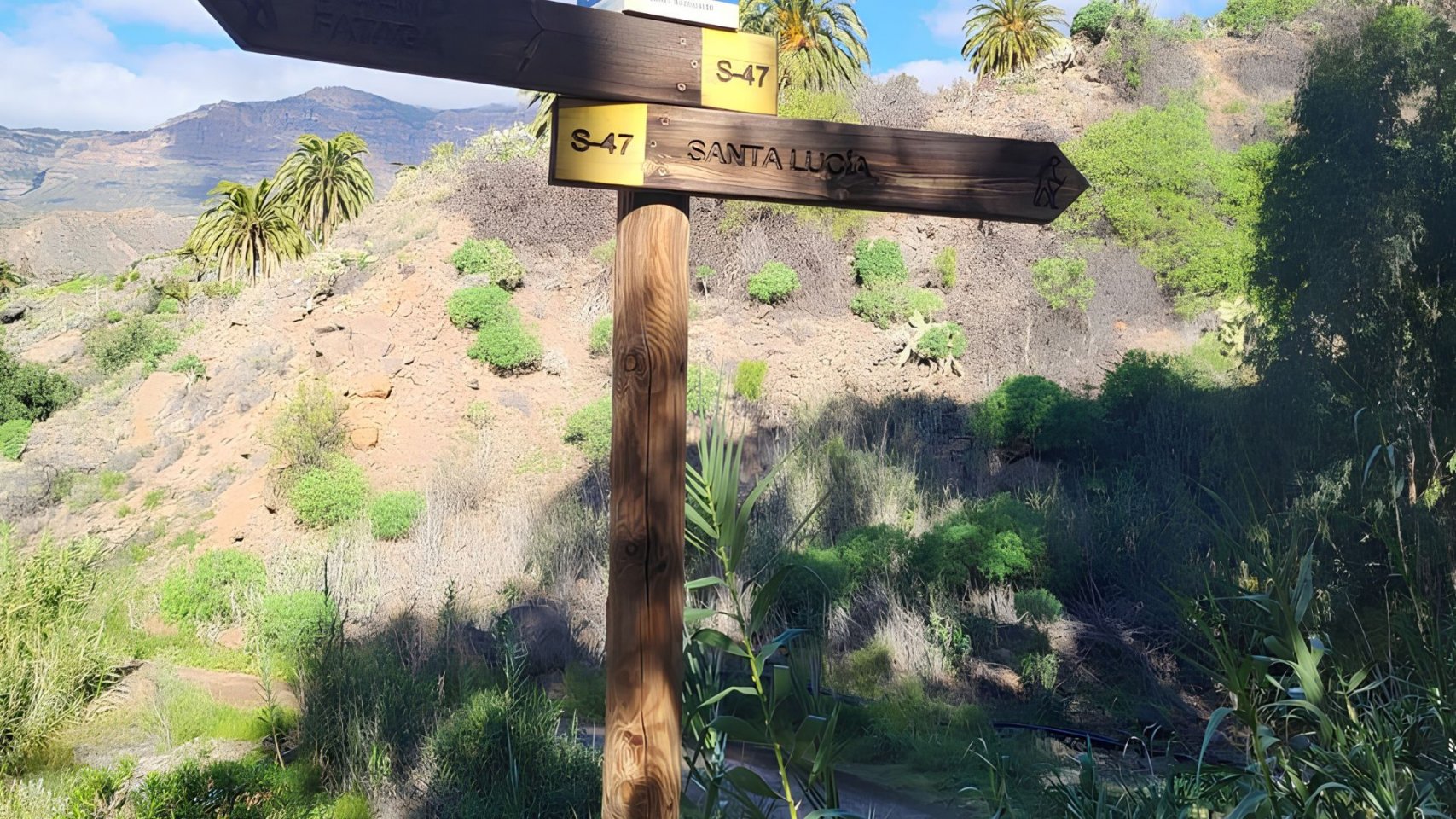
The most revealing indicator of socioeconomic and territorial failure lies in the figures for agricultural abandonment and desolation. Fallow and unproductive lands reach 92 hectares, while abandoned lands covered in tagasaste amount to a devastating 2821 hectares. This collapse demonstrates that the land in the municipality is no longer cultivated to generate wealth, but rather rots away in a parched wasteland awaiting urban development. The ultimate interpretation of this agricultural assessment brings us back to critical realism. The economic model of southern Gran Canaria has strangled its own territory, transforming a historically productive valley into a barren wasteland where agriculture survives as a subsidized footnote in the face of the juggernaut of mass tourism.