The evolution of the non-hotel accommodation sector in Gran Canaria during July 2026, according to data updated by the Canary Institute of Statistics (ISTAC) from big data tools on digital platforms, reflects a scenario of generalized contraction in income and in the supply of properties with the data released at the end of August.
Across the islands, total revenue from holiday rental services amounted to €15.831.052, representing a year-on-year decrease of 12,37 percent compared to the €18.065.497 recorded in July 2025. This decline in overall revenue is accompanied by a direct contraction in the available stock, confirming a structural adjustment in the short-stay model throughout the province.
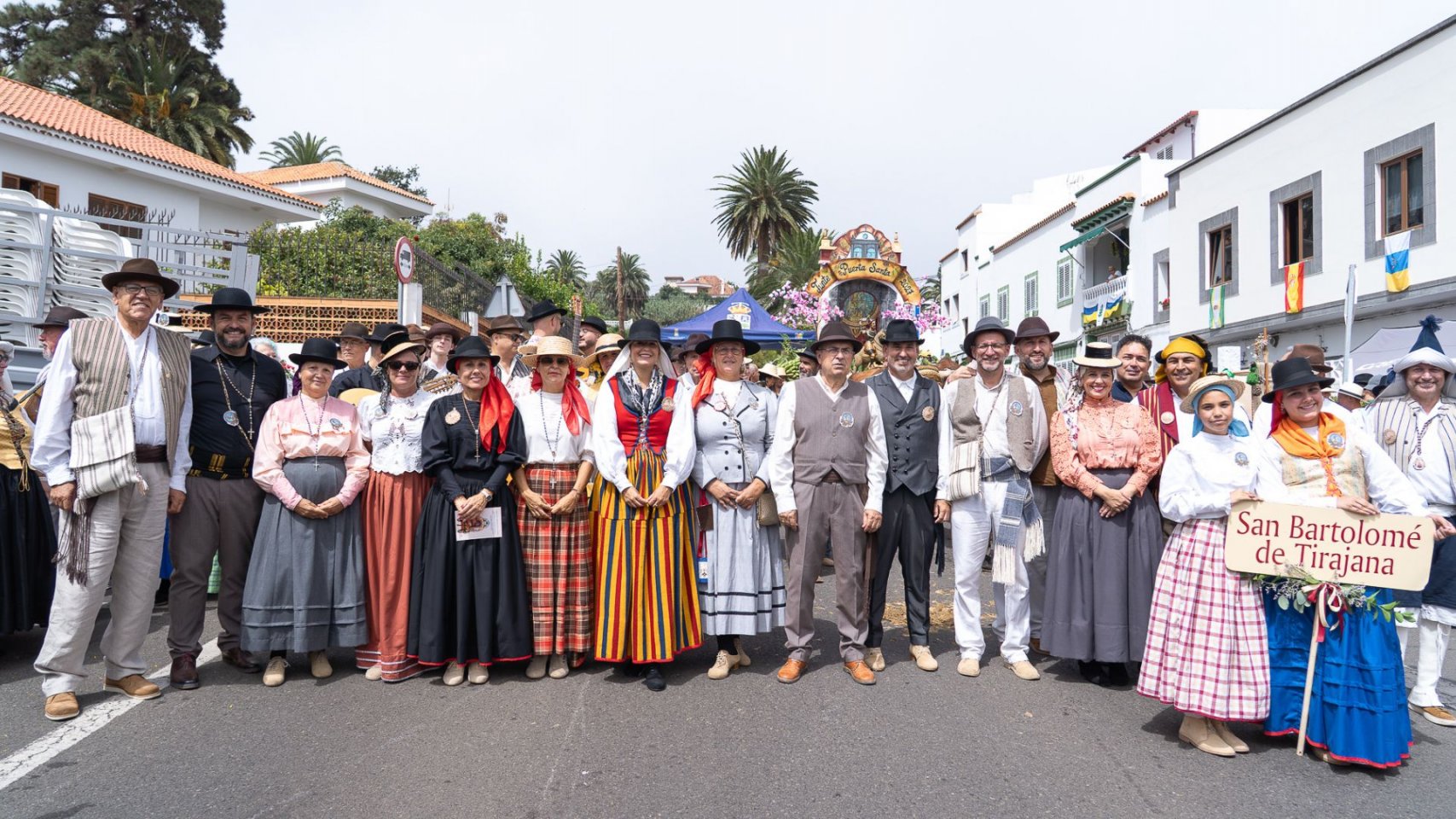
The territorial analysis reveals that the southern region of the island continues to concentrate the main hub of economic activity in the sector, with San Bartolomé de Tirajana and Mogán undisputedly leading in municipal revenue. Specifically, San Bartolomé de Tirajana accounted for €6.496.316 in total revenue during July 2026, making it the municipality with the highest business volume on the entire island and representing more than 41 percent of the total island revenue.
For its part, the municipality of Mogán reached 2.758.072 euros in income from holiday rentals, consolidating the southern axis as the epicenter of non-hotel tourism compared to the 3.500.973 euros collected in the island capital, Las Palmas de Gran Canaria, or the 582.567 euros of Telde.
The contraction in overall revenue in the archipelago is mainly due to the reduction in the number of operating units and the average daily rate. The total number of properties available for short-stay accommodation in Gran Canaria fell from 9.647 in July 2025 to 8.240 in the same month of 2026, representing a year-on-year decrease of 14,58 percent.
Similarly, the number of available beds decreased by 15,79 percent, from 38.840 to 32.706. This reduction in capacity resulted in a simultaneous decrease in the average daily rate, which fell to €128,02 from the previous €145,11, representing an 11,78 percent decrease in nightly prices.
Despite the drop in revenue and supply volume, occupancy and customer loyalty indicators show resilient performance in Gran Canaria. The booking rate saw a 0,81 percent increase, reaching a high of 94,41 percent compared to the previous 93,65 percent, indicating that active accommodations are maintaining high levels of effective occupancy during the peak summer season. Likewise, the average stay lengthened significantly, increasing by 28,18 percent to 5,55 days per booking, compared to 4,33 days a year earlier.
This statistical report from ISTAC shows that southern Gran Canaria is facing a shift in the holiday sector, marked by reduced availability of accommodation on digital platforms and an adjustment in nightly rates. The southern region, led by San Bartolomé de Tirajana with €6,49 million in revenue, is the mainstay of the island's non-hotel accommodation sector, offsetting the moderation of unit margins through longer stays and a booking rate exceeding 90% at the start of summer 2026. Regulation and pressure on residential land continue to shape the economic agenda of the southern island within a context of transformation in the tourism model.