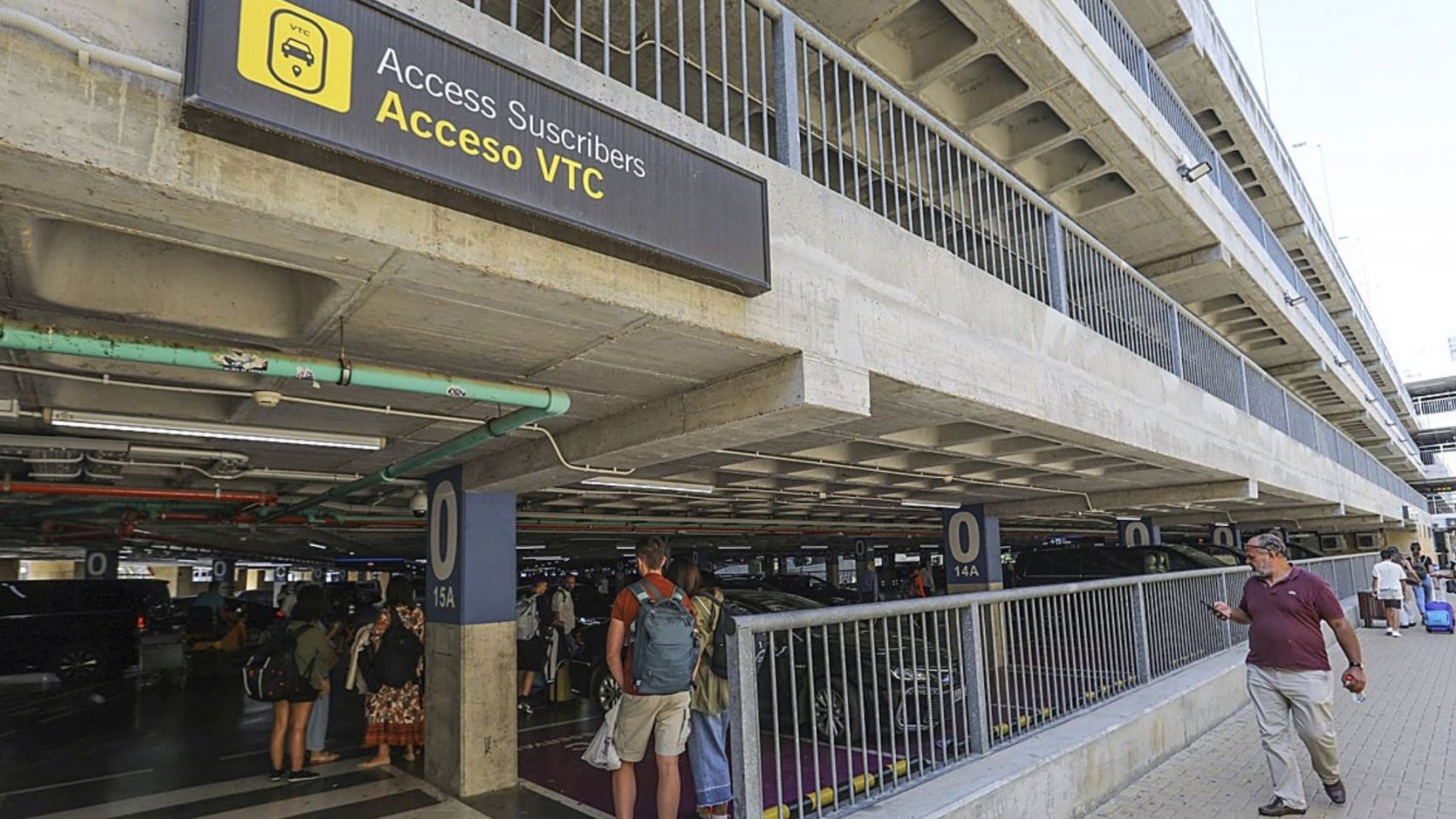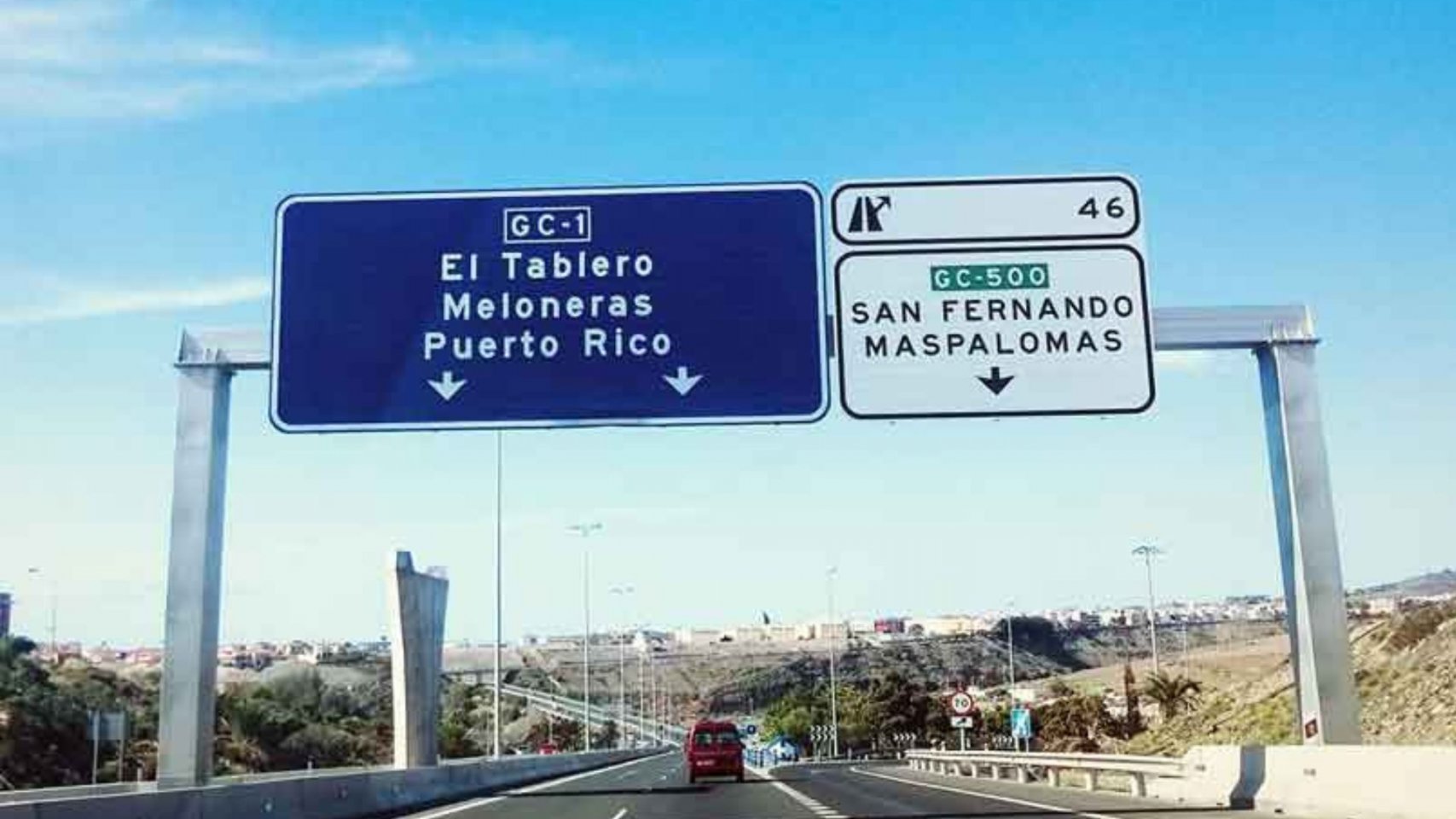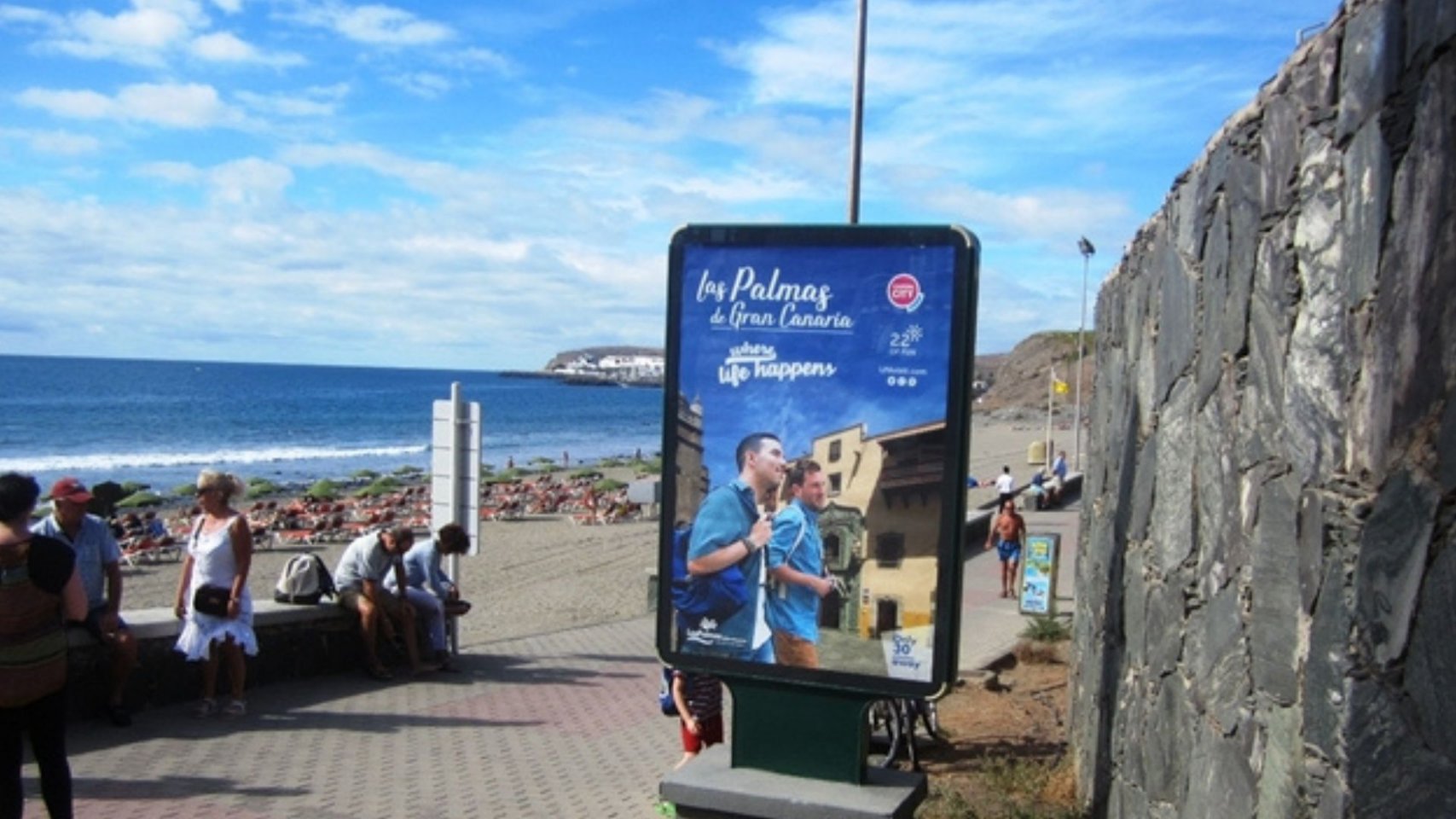
Who would want to go to a city under constant construction, in a bad mood because of parking problems, with overbooked public transport, and full of TikTokers at the San Telmo bus station harassing tourists with vulgar questions that sound like they're from criminals? The map of tourist flows in Gran Canaria is undergoing a profound reconfiguration marked by the polarization of travel patterns, dependence on rental cars, and internal mobility hampered by severe logistical challenges. The latest island barometer places the Maspalomas Dunes at the top of the archipelago's most frequented attractions, drawing 50,86% of visitors after registering a year-on-year increase of 1,1% compared to the second quarter of 2025.
This leadership in the south contrasts with the behavior of the large urban and coastal centers, where Puerto de Mogán consolidates the second position in the ranking with 43,12% of visitors and a notable increase of 5,1%, while the capital, Las Palmas de Gran Canaria, loses the third place by falling 7,5% to 42,89%.
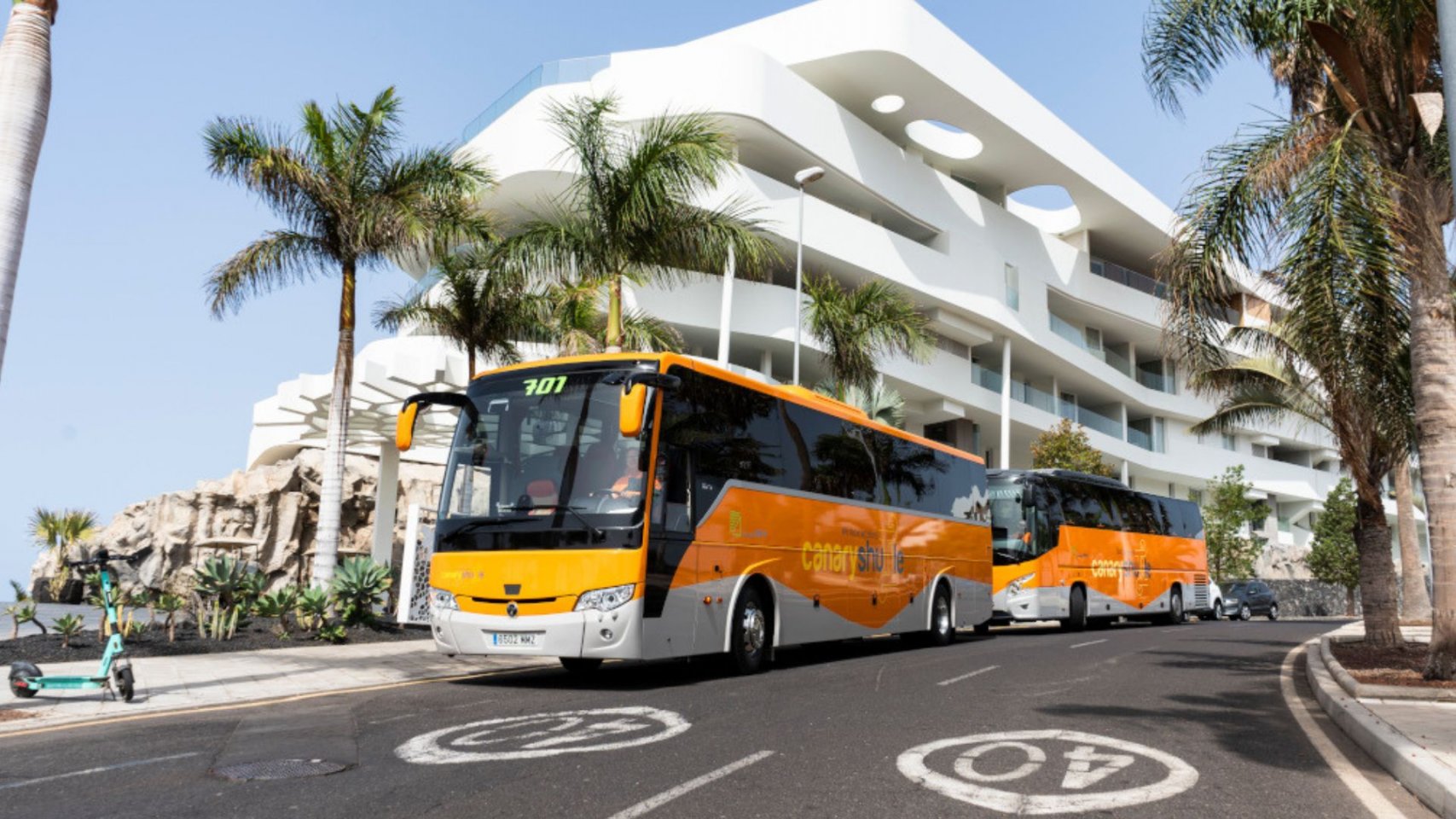
Travel to these destinations relies overwhelmingly on private four-wheeled transport. Among Spanish tourists, rental cars account for 53,37% of journeys, followed at a considerable distance by public transport at 33,06%, taxis at 29,31%, walking at 7,72%, organized tours at 6,65%, and bicycles at a negligible 0,54%. Foreign visitors, on the other hand, rely heavily on rental cars, using public transport at 38,62%, taxis at 38,97%, walking at 15,14%, and organized tours at 2,02%.
When choosing a means of transport, comfort influences 63,85% of decisions, price 37,49%, accessibility 24,46%, time flexibility 14,48% and the lack of alternatives 13,94%, while 8,72% of users report serious mobility incidents compared to a minority of 91,28% who do not report direct incidents.
Outside the major coastal circuits of the south, the map of the most visited places reflects sharp declines in the north and interior of the island. The North region fell by 9,4% to 18,26% of visitors, placing it in fourth position, closely followed by the Interior and the Mountains, which dropped by 2,2% to 17,77%. The declines were even more pronounced in specific heritage sites such as Agaete, which plummeted by 13,6% to 12,63% (sixth place), Teror, which fell by 11,7% to 11,06% (eighth place), and the island's capital, Santa Cruz de Tenerife, as reflected in the overall visitor numbers. In contrast to this general contraction in the midlands, Roque Nublo experiences a vigorous growth of 8,0%, rising to seventh place with an 11,48% share of attraction, while Barranco de Guayadeque advances by 5,5% to capture 7,20% of tourists.
This territorial distribution of visits is structured around highly concentrated daytime stays. 45,02% of tourists spend between four and eight hours a day outside their accommodations, 24,40% extend their outings to between nine and twelve hours, 20,24% make express trips of zero to three hours, and barely 10,34% exceed twelve hours of outdoor activity. Within this context of travel, everyday activities such as strolling (100%), enjoying the beach (90%), the pool (80%), or sampling the island's cuisine underpin the stay of travelers who are navigating a landscape of increasing pressure on the southern road infrastructure and stagnation in the island's interior heritage.