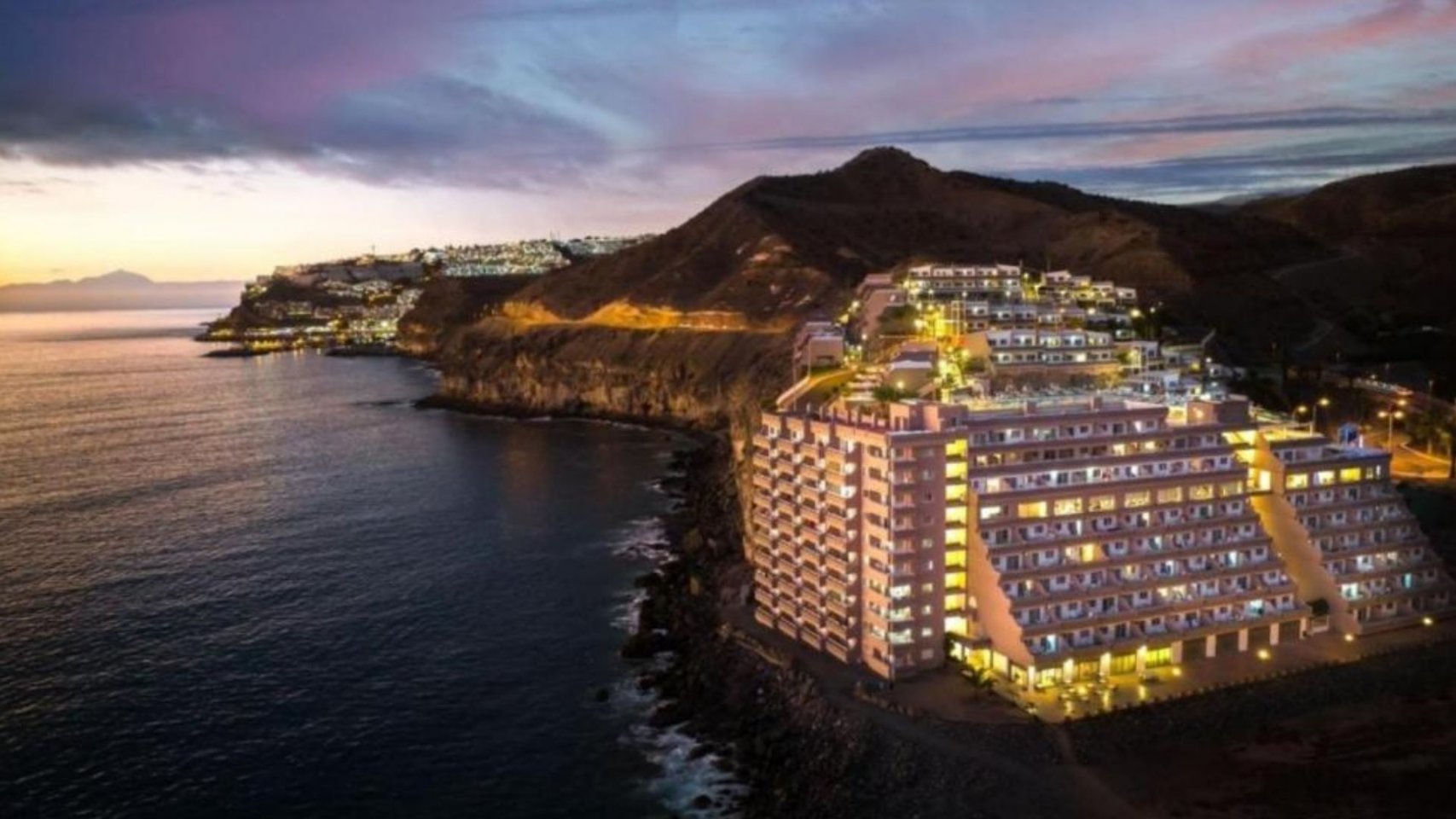
Southern Gran Canaria is caught in a severe economic paradox. While the tourist resorts of Maspalomas and Playa del Inglés are at full capacity and attracting massive influxes of foreign capital, the local residential market is experiencing unprecedented strain. Data from the report "Coastal Housing" prepared by Tinsa by Accumin confirms that the Canary Islands are leading the price increases on the Spanish coast, with a nominal year-on-year increase of 14,1% in the first half of the year and a median price approaching €2.790 per square meter. In the tourist municipality of San Bartolomé de Tirajana, this reality translates into a market where primary residences compete openly, and unevenly, with the soaring profitability of holiday rentals and second homes.
The international appeal of the Maspalomas dunes and climate keeps the buying machine running at full capacity. Foreign buyers account for nearly 32% of real estate transactions in the islands, a percentage well above the national average, solidifying the area as a safe haven for European investors, primarily from Germany, the UK, and the Nordic countries.
This investor appetite is keeping prices high, but it is fragmenting the municipality's socioeconomic fabric. The price per square meter in coastal areas geared towards tourism far exceeds that of any other peninsular region outside the epicenters of the Balearic Islands and the Costa del Sol. New construction, although it has attempted to respond with a general increase in building permits across the archipelago, is running headlong into an insurmountable physical obstacle in southern Gran Canaria: the drastic scarcity of developable land available for new urban developments.
The most dramatic aspect of this dynamic falls on local residents. The average financial burden in the islands stands at a critical 59% of household disposable income, more than double the levels recommended by international financial institutions. In strained areas like Maspalomas and Mogán, this percentage skyrockets even further, forcing residents to allocate more than two-thirds of their monthly income to mortgage or rent payments.
The increasing convergence between the primary and secondary residence markets has led to a drastic reduction in long-term rental availability. Owners and small investors prioritize the profitability of tourist or short-term accommodation, leaving service sector workers—the economic backbone of the tourist area—without real options for independence or homeownership in their own municipality. This situation fuels a constant influx of residents who are forced to move to the island's interior or to the capital, undertaking long daily commutes.
Faced with this housing crisis, public authorities have begun to implement stricter regulations. Recent regional restrictions aimed at curbing the uncontrolled proliferation of vacation rentals seek to rebalance the housing stock and free up properties for the residential market.
However, experts warn that the effectiveness of these measures in Maspalomas will depend on their speed of implementation and their actual capacity to incentivize the construction of subsidized housing, the presence of which has been practically negligible over the last decade. The challenge in southern Gran Canaria for the coming quarters is to reconcile the golden goose of international tourism with the demographic and social survival of those who sustain the destination on a daily basis.