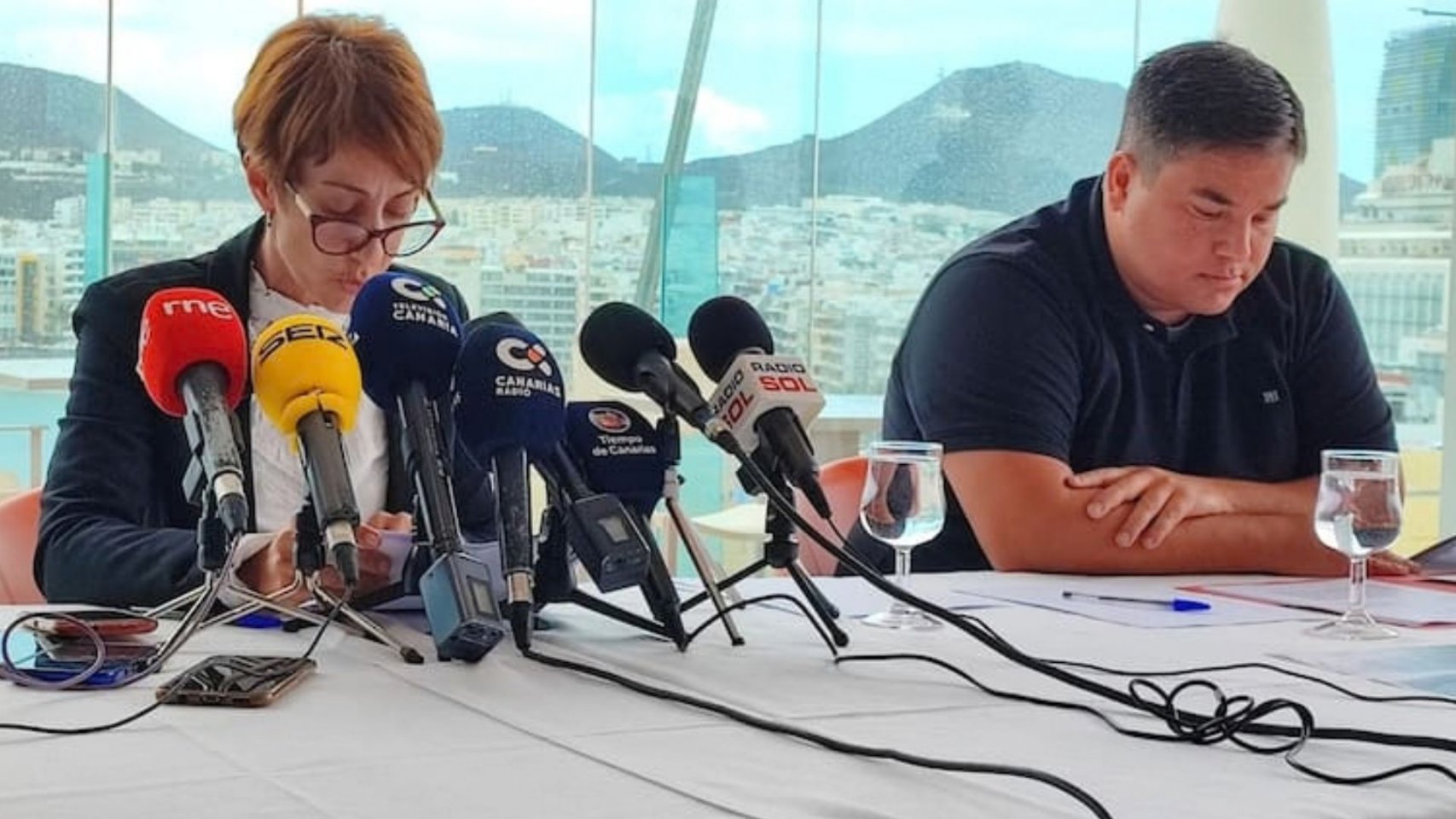
The political short circuit within the Popular Party of Gran Canaria has ceased to be a hidden rumor and has become an organic evidence. As Maspalomas24H exclusively reported, the much-discussed and anticipated pact between the conservative party and the mayor of Mogán, Onalia Bueno, is completely frozen.Official sources close to the mayor confirmed this Monday that, as of today, absolutely nothing has been signed with the island president of the PP, Carlos Sánchez, placing any potential signing after the upcoming general elections in November and dashing the triumphalist deadlines that the mayor herself had announced on a radio station in El Tablero de Maspalomas. In Mogán, the November 29th election calendar has been used to try to find a logical explanation for the PP's delay in reaching an agreement with Mogán.
The public staging of the agreement, which the island party apparatus described last summer as being ninety percent complete, has crashed against the harsh reality of internal power struggles and a lack of concrete documentation. Those within the power circle surrounding the former leader of the Canary Coalition admit that the initially planned deadlines have vanished without a fixed date on the calendar. This tactical paralysis demonstrates that the national and regional leadership of the People's Party (PP) is currently prioritizing the stability of its overall strategy in Madrid over local gains or the few thousand votes that the Mogán mayor's platform could contribute to an island candidacy for the Gran Canaria Island Council.
This tactical retreat is compounded by a deep unease among key sectors of the Las Palmas business community, who view the Popular Party leadership's strategic overtures with utter distrust. The capital's economic elite are demanding firm guarantees and clear explanations from the PP on crucial issues such as its true stance on the implementation of ecotaxes and government interference that threatens the independence of business decisions. They cite as an example the recent regulatory attacks suffered by the island's long-established nautical and port operators, a sector traditionally far removed from any interventionist approach and fully aligned with liberal principles.
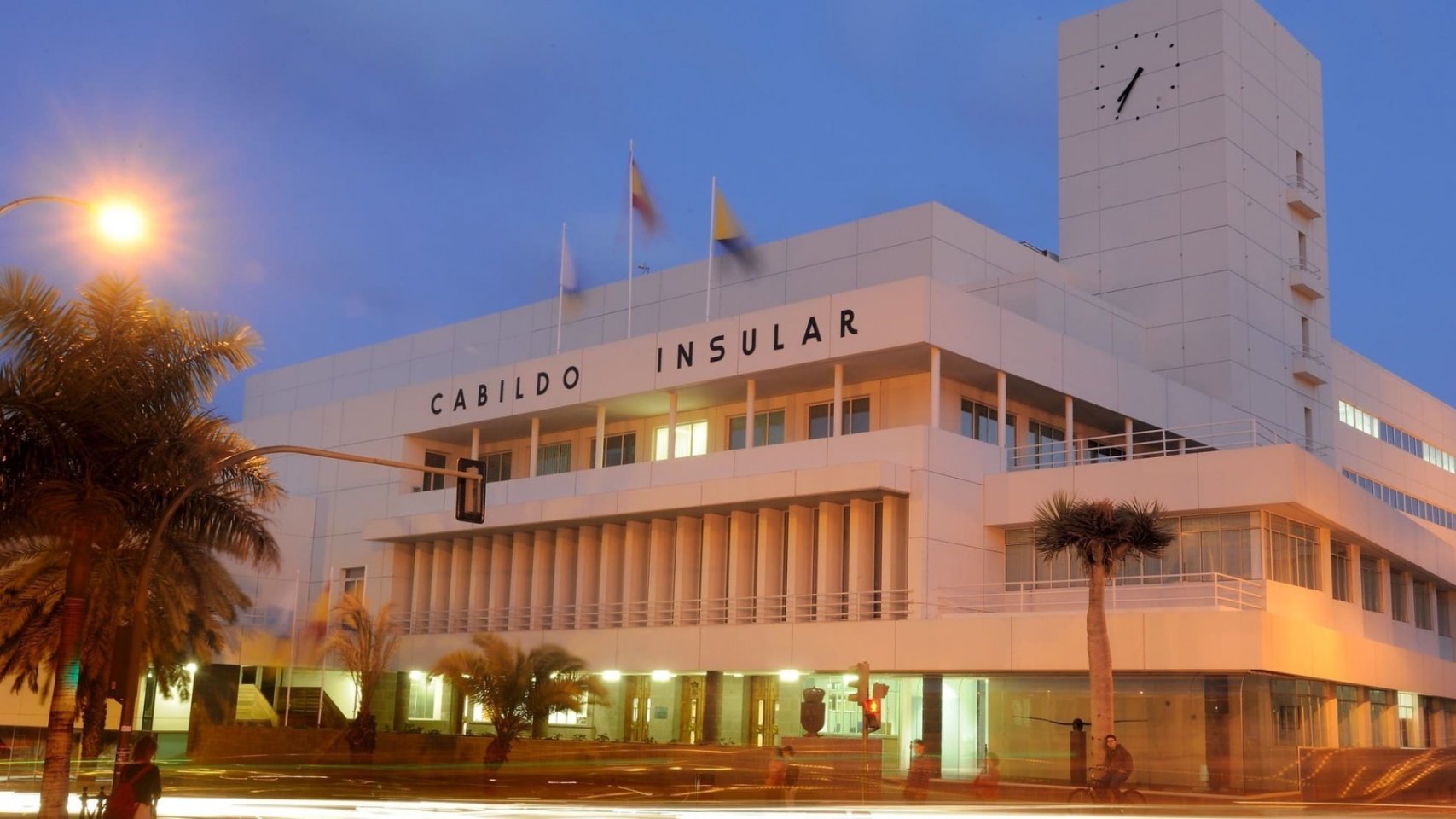
The epicenter of this internal crisis not only halts Onalia Bueno's island expansion aspirations but also exposes a turbulent internal situation in the capital. Managing local power dynamics and uncertainty surrounding campaign strategies have paralyzed the party's electoral machinery, casting doubt on the viability of a political operation designed through a series of unilateral announcements. The mayor of Mogán had opted for a media-driven gamble by proclaiming herself number two on the PP's list for the Island Council, insisting that her integration would not occur as an independent but through a formal alliance between the PP and her own brand, Bueno para Gran Canaria (Good for Gran Canaria), with the aim of securing power for members of her party.
Despite the mayor's attempts to orchestrate a unified front that includes other allies in winnable positions, and despite the public praise from Carlos Sánchez, who prefers to call her a natural leader to calm the waters, the party's reality reflects a deep territorial divide. The misgivings of the rank and file and local officials regarding Bueno's expansionist strategy—who planned to challenge the established structures in key municipalities like San Bartolomé de Tirajana and the capital itself, with the support of a former Olympic swimmer—have ultimately destroyed any possibility of cooperation. With the focus on the November general elections and the party's internal structure threatened, the hypothetical flagship pact of the Gran Canaria PP teeters on the brink of institutional irrelevance.