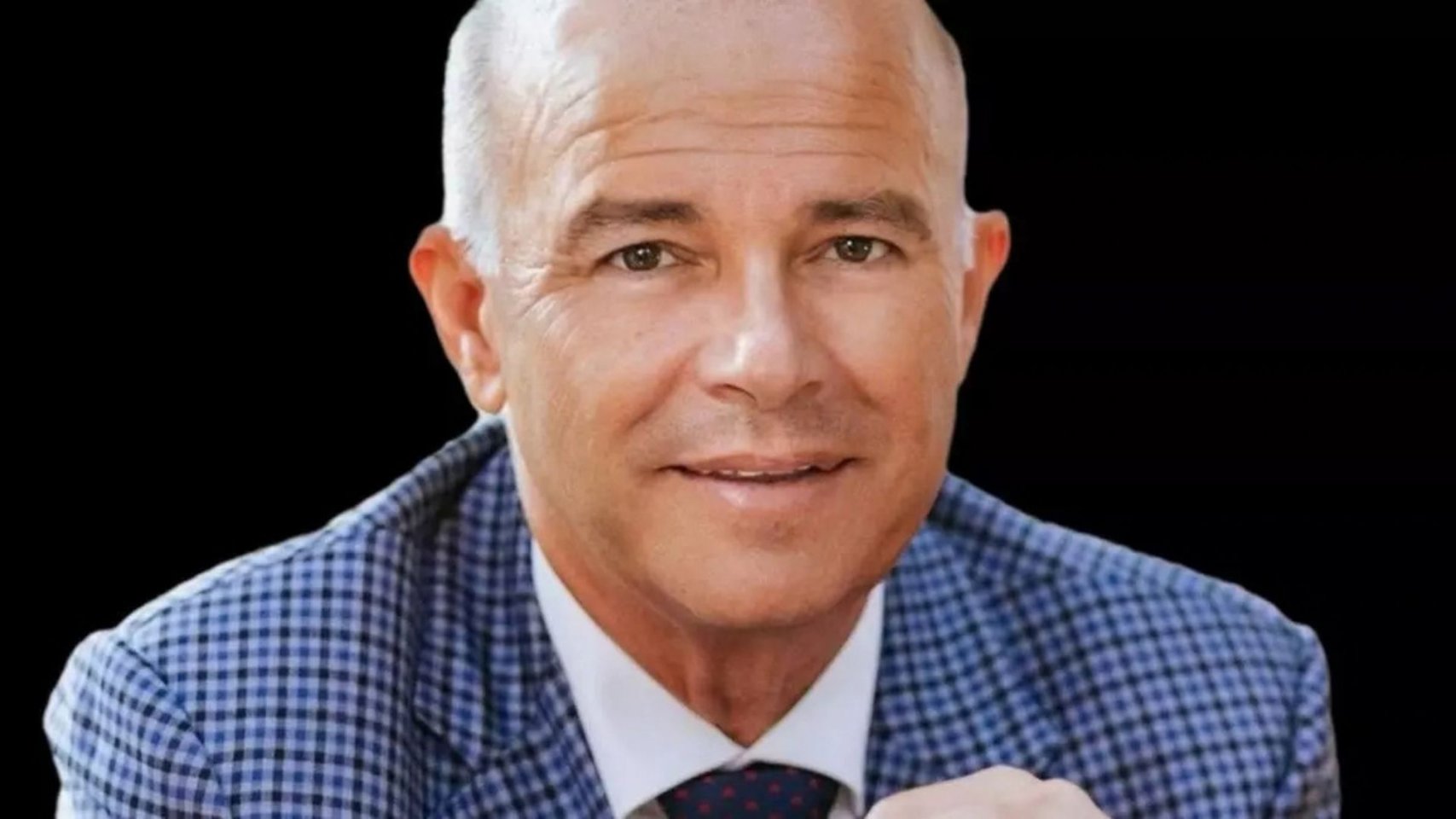
He didn't like having his picture taken, except with his friends. The image accompanying this news story comes from La Provincia. This Monday, the business community of southern Gran Canaria was deeply saddened by the passing of Francisco 'Paco' Santana Santana (1940-2026), businessman and architect of one of the most unique commercial careers in Canarian industry. He died at the age of 86 in Las Palmas de Gran Canaria. His public and private life was guided by the principles of personal effort, commercial audacity, and, above all, the unwavering value of friendship and human connection.
Born in the Teror district of Arbejales, the grandson of a humble saddler, Santana never denied his rural roots, embracing his father's wise words throughout his life: "My son, even the donkey gets used to the pack saddle." His working life began early, at the age of fourteen, when he joined Finanzauto, an official distributor for the multinational Caterpillar, as an apprentice. For twenty-four years, he combined his daytime training with evening studies, rising from the bottom to management positions.
That period forged his energetic character and entrepreneurial vision, a skill he decided to put to the test by taking the definitive leap toward independence after a close friend's suggestion. He founded his own machinery import business, taking advantage of the construction boom in southern Gran Canaria at the beginning of the century. However, the outbreak of the 2008 economic crisis redirected his commercial focus toward the African continent, a territory where he forged a network of colossal alliances based on his initial contacts with the fishing fleet in Nouadhibou.
In Mauritania and Guinea, his company Canarylog ventured into the demanding heavy mining sector, becoming a supplier to international giants such as Red Back Mining (later acquired by Kinross) and First Quantum Minerals. From scratch, in the heart of the African desert, he built gold mines, camps, and infrastructure, managing workforces of up to 400 employees and running operations with annual revenues of twenty million euros through the massive supply of machinery and aggregates.
Despite his undeniable industrial prominence, his true calling lay in affection and camaraderie. Just a few months before his death, he gathered a hundred close friends and family at a well-known restaurant in the capital to celebrate his birthday, surrounded by his wife Teresa, his daughters Cristina and Paola, and his granddaughter Lucía. A tireless promoter of friendship networks that brought together more than a thousand people, his farewell was guided by his own express wish: to avoid solemnity and transform mourning into a celebration of their shared life.
He rests after a career marked by well-understood ambition and loyalty to his people, leaving an irreplaceable void in the social and business fabric of the islands.