The land grabbing and document forgery network that operated in the archipelago for half a decade left a direct mark on the historical and agricultural enclaves of southern Gran Canaria, according to documents obtained by Maspalomas24H. The Provincial Court of Las Palmas is moving towards opening a trial against the main individuals involved in a land fraud scheme that used front men, sham private contracts, and official complicity to strip dozens of rural properties of their legitimate owners, with a particular focus on the valleys and districts of Fataga and Tirajana.
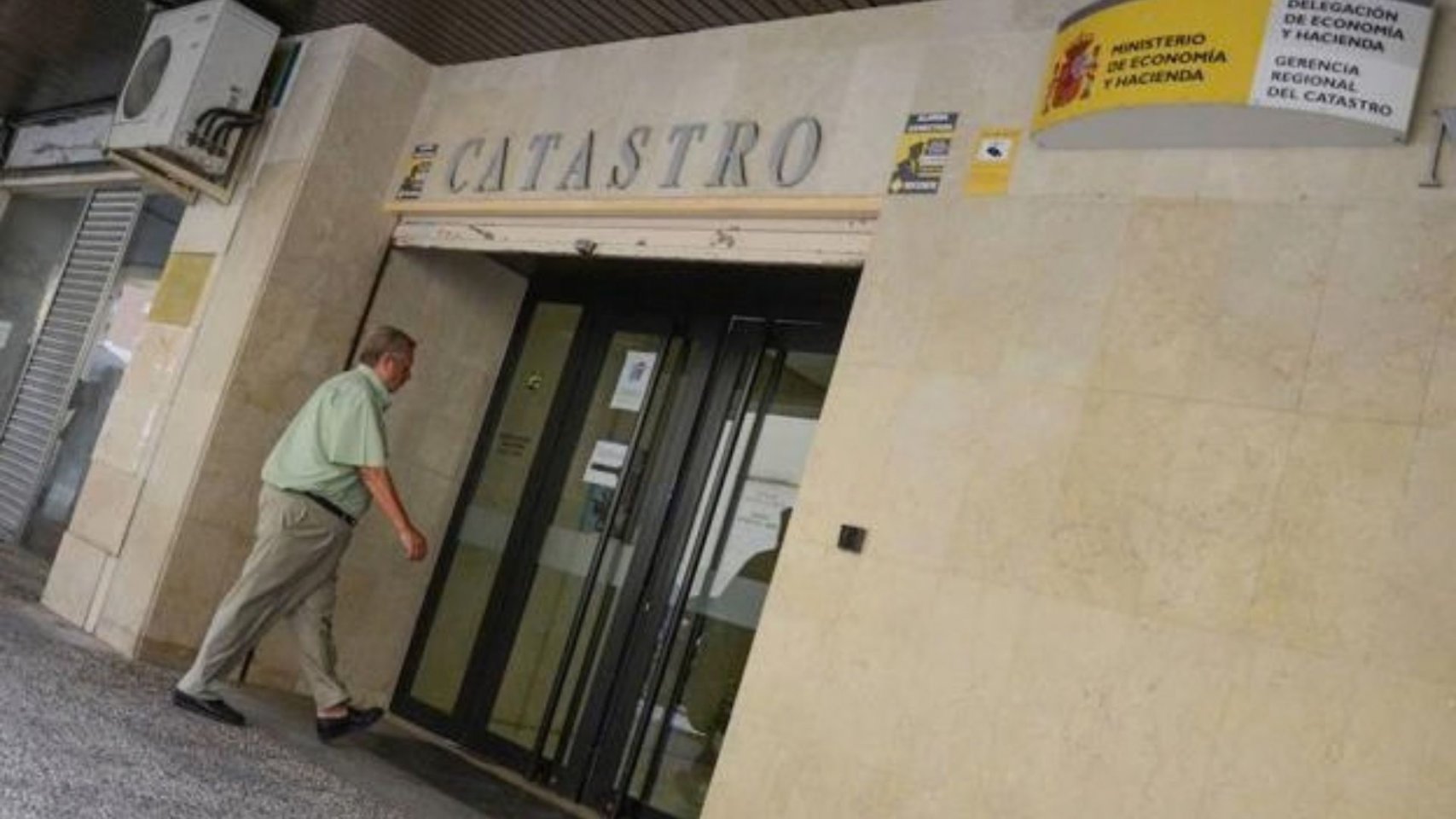
The prosecution's investigations detail a systematic operation carried out between 2011 and 2016. The organization used privileged information to locate land of high scenic and agricultural value whose traditional owners lacked constant oversight of their properties. Through forged signatures and the creation of fictitious commercial transfers, the defendants managed to alter official records with the active collaboration of an official from the Territorial Cadastre Management Office, who expedited files in a matter of hours, deliberately omitting the required hearings and notifications to neighboring landowners.
Affected in the heart of the tourist and rural municipality
The impact of this document theft was felt throughout the municipality of San Bartolomé de Tirajana. Among the cases documented in the summary, the fraud perpetrated on a plot of land located in the area known as El Capao, in polygon 8 of Fataga, stands out. There, the rightful owner saw her property irregularly transferred, harming both the original owner and subsequent buyers acting in good faith. Similarly, the San Bartolomé de Tirajana City Council itself is formally listed as a victim of the manipulation of land titles in strategic locations such as the La Quinta area.
The scheme not only altered the map of rural property to give the land grabs a veneer of legality, but also channeled the resulting profits toward the acquisition of luxury goods and vehicles, laundering the money obtained from the illicit land trafficking. With the case now in the trial phase before the Provincial Court, the legal proceedings are revealing the historical vulnerability of public registries and the defenselessness to which the heirs and traditional landowners of the island's south were exposed against white-collar organized crime.
Beyond the southern region, the network's reach extended across various parts of Gran Canaria, affecting plots of land and properties in municipalities such as Las Palmas de Gran Canaria—with cases involving iconic thoroughfares like Luis Doreste Silva Street and the El Lagarillo industrial park—as well as significant incursions into northern towns like Moya and Teror, where individuals saw the cadastral records of their family properties altered. This island-wide operation was further expanded to include branches on the islands of Lanzarote and Fuerteventura, consolidating a large-scale asset plundering scheme that will now be brought before the courts.