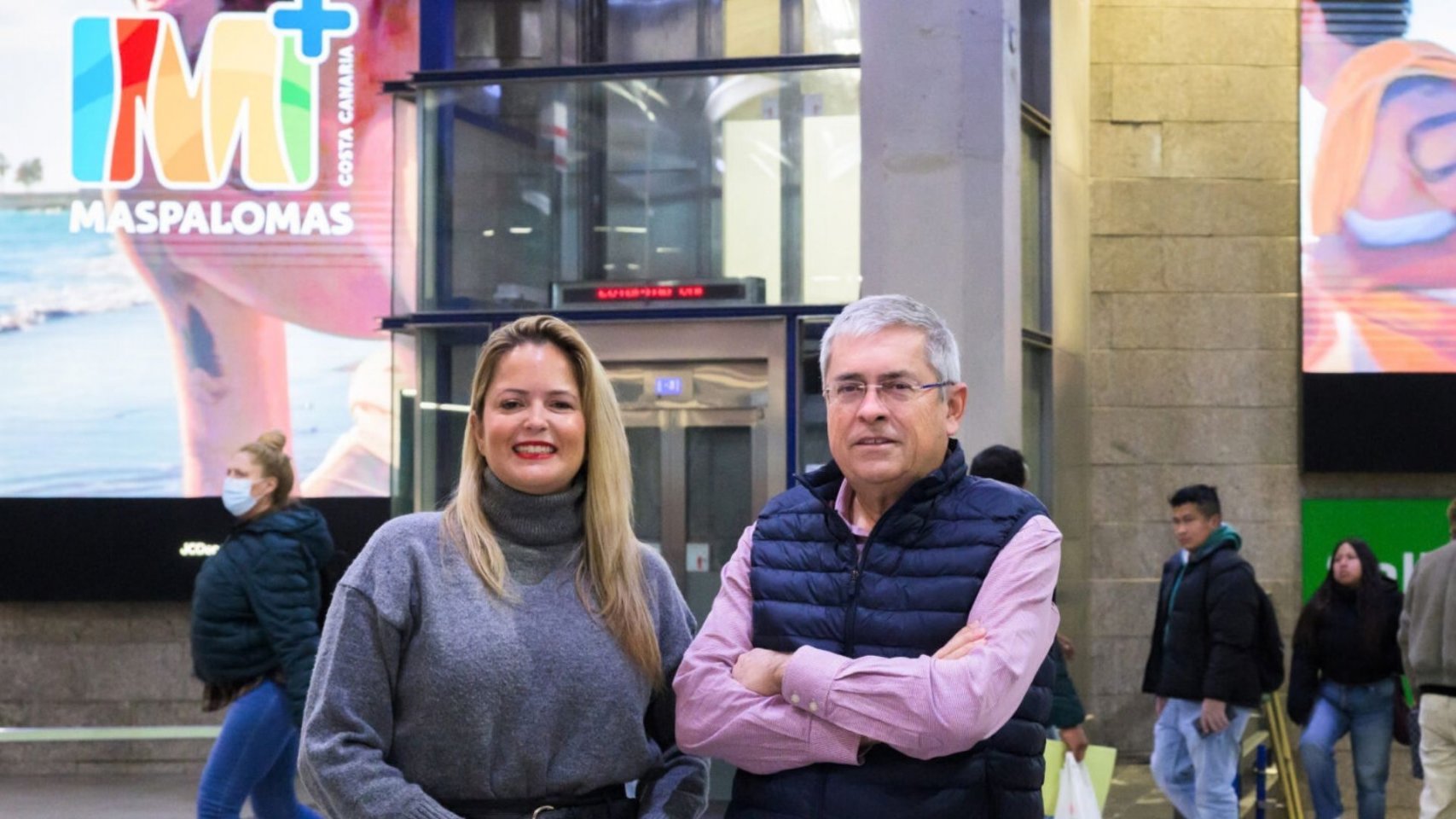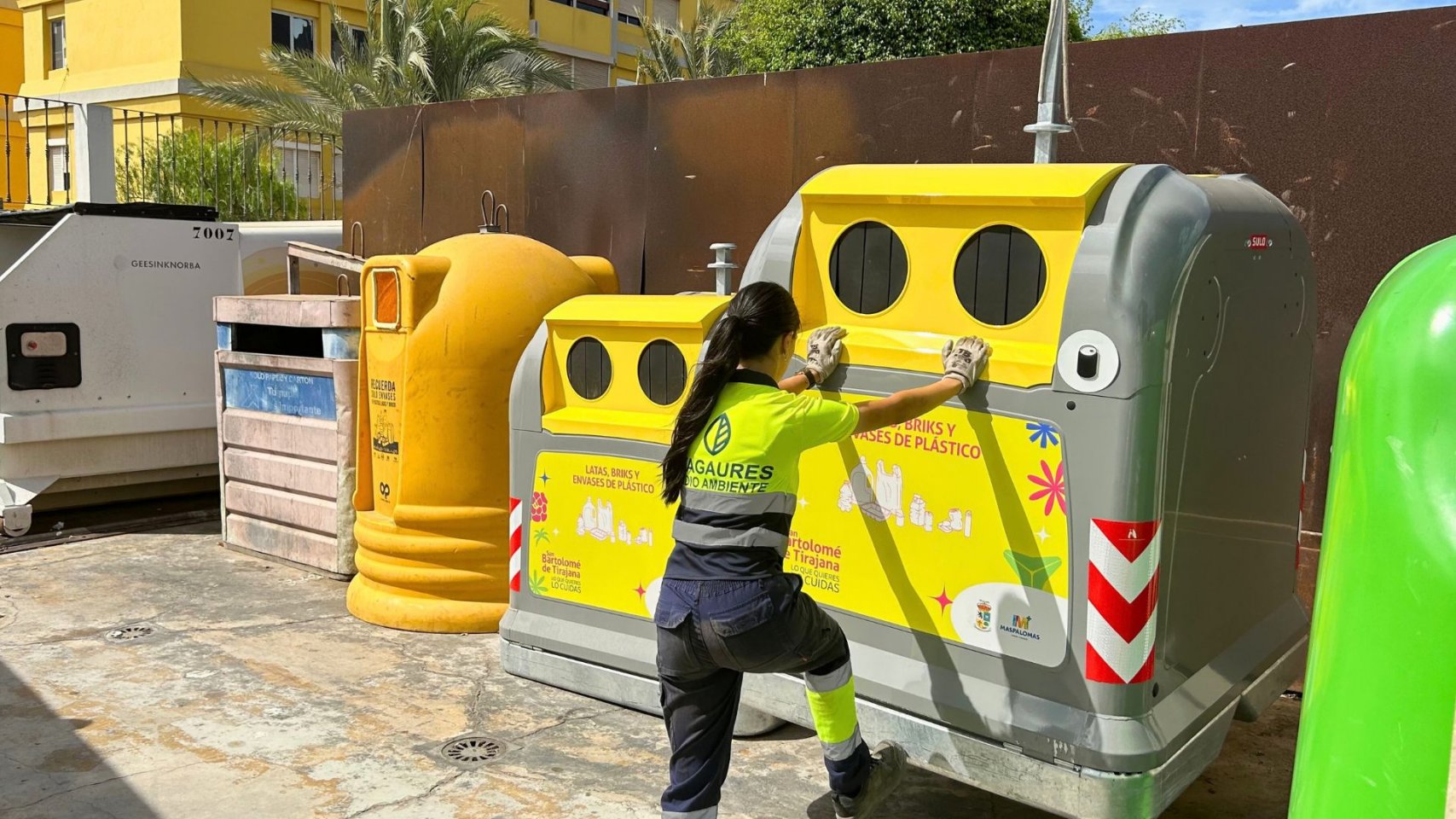
The recent installation of the Canarias Recicla and Fundación para el Desarrollo Sostenible (Canary Islands Recycles Foundation) information stand in Maspalomas, part of the national "Muy Nuestro" (Very Ours) campaign by Ecoembes and the San Bartolomé de Tirajana City Council, highlights local efforts to optimize waste separation. However, the real structural challenge for the archipelago's municipalities lies in the widespread implementation of organic waste management. Given that 54% of the organic waste generated in Spain comes from households, institutional commitment to this system is essential to comply with stringent European and national regulations, preventing thousands of tons from ending up in landfills and wasting their potential for society and the environment.
Proper management of this organic fraction offers crucial benefits, such as a drastic reduction in landfill waste, which curbs soil and water pollution, and the production of natural compost to improve agricultural quality without relying on chemical fertilizers. Furthermore, processes like anaerobic digestion allow for the generation of biogas as a renewable energy source for electricity and heat, simultaneously reducing methane emissions, a greenhouse gas far more potent than carbon dioxide.
In the regional context, several municipalities in the Canary Islands have already taken significant steps in implementing the separate collection of organic waste through the so-called "fifth container" or brown bin, with notable examples in Las Palmas de Gran Canaria, Santa Cruz de Tenerife, and Granadilla de Abona. These advances directly promote the circular economy by putting high-value byproducts into circulation, such as high-quality compost for agriculture and gardening, biogas as a renewable fuel, and digestate usable as fertilizer. Although there is still a long way to go to reach the targets set by the regulations, it is clear that extending this separate collection to all municipalities not only reduces the environmental impact but also consolidates the sustainable development of the islands.
The San Bartolomé de Tirajana City Council's Department of Cleaning has begun installing 43 smart solar-powered litter bins this week in various areas along the municipality's tourist coastline. This initiative is part of the Impulsa Maspalomas project, funded by the European Union's Next Generation program, according to a statement from the local government. The project is being implemented in high-traffic areas such as the Costa Canaria promenade, from Annex II of Playa del Inglés to San Agustín, as well as in the Charca del Faro area of Maspalomas and Meloneras, with the aim of improving waste collection in these locations. This intervention is limited exclusively to the tourist zone, as it is linked to a tourism sustainability plan approved by the European Union. The EU's funding mandates that projects be carried out in areas of intensive tourist use. Therefore, this investment is subject to the criteria of the European program and does not replace or limit the regular cleaning service improvements in the municipality's residential areas.