The construction industry in Gran Canaria is going through a profound turning point after registering a drastic collapse in the consumption of reference materials during the summer period, marking a very sharp gap with respect to the upward dynamism that characterized the beginning of spring 2026.
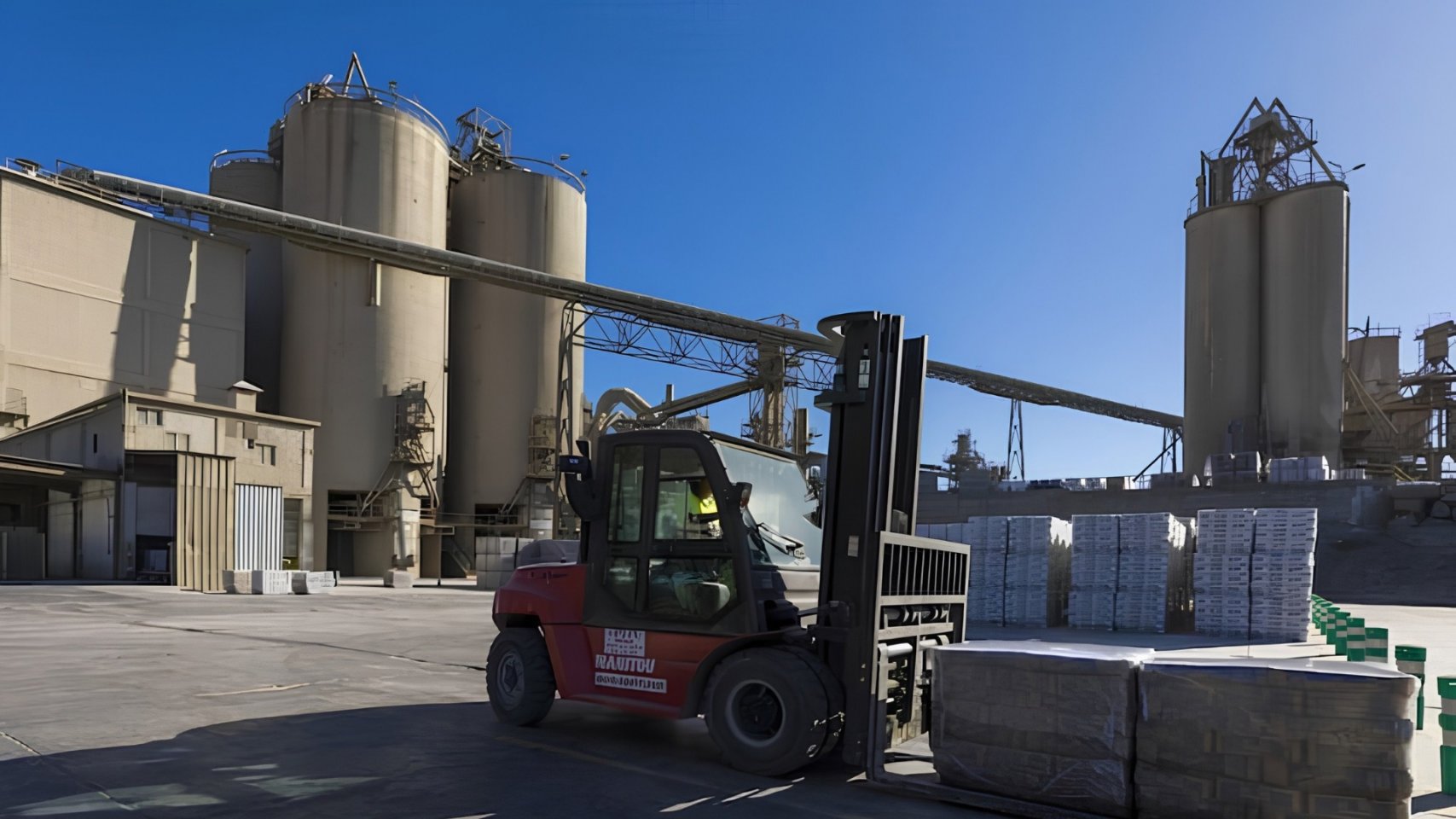
This slowdown in the island's production activity has a particularly severe impact compared to the archipelago as a whole. Analysis of the monthly records reveals a continued decline in the volume of cement supplied to the island market. Gran Canaria had registered a remarkable start to the year with inter-period increases of 24,00% in April—when 20.585,1 tons were distributed—and a positive trend of 8,04% in May, reaching 22.240,3 tons. However, this progress was cut short as the summer months began.
The gradual contraction became critical as the summer period progressed. In June, the volume stood at 22.240,3 tons, beginning to reflect the slowdown in new construction and the execution of public and private infrastructure projects. By July, the island's supply had fallen to 19.806,4 tons, registering a negative year-on-year change of 10,94%.
The decline reached its most severe point in August 2026, when sales in Gran Canaria plummeted to 13.851,3 tons, representing a drastic year-on-year decrease of 30,07%. This drop far exceeds the average contraction recorded across the islands as a whole, where the volume sold fell to 44.781,6 tons, a negative change of 24% in the same month.
This slowdown in the supply of essential raw materials highlights the prevailing caution among developers and local economic operators. The reduced momentum in cement sales anticipates a forced readjustment in the pace of residential, tourism, and civil engineering projects on the island, compelling industry players to reassess their operational projections in the face of a less dynamic environment for capital investment.