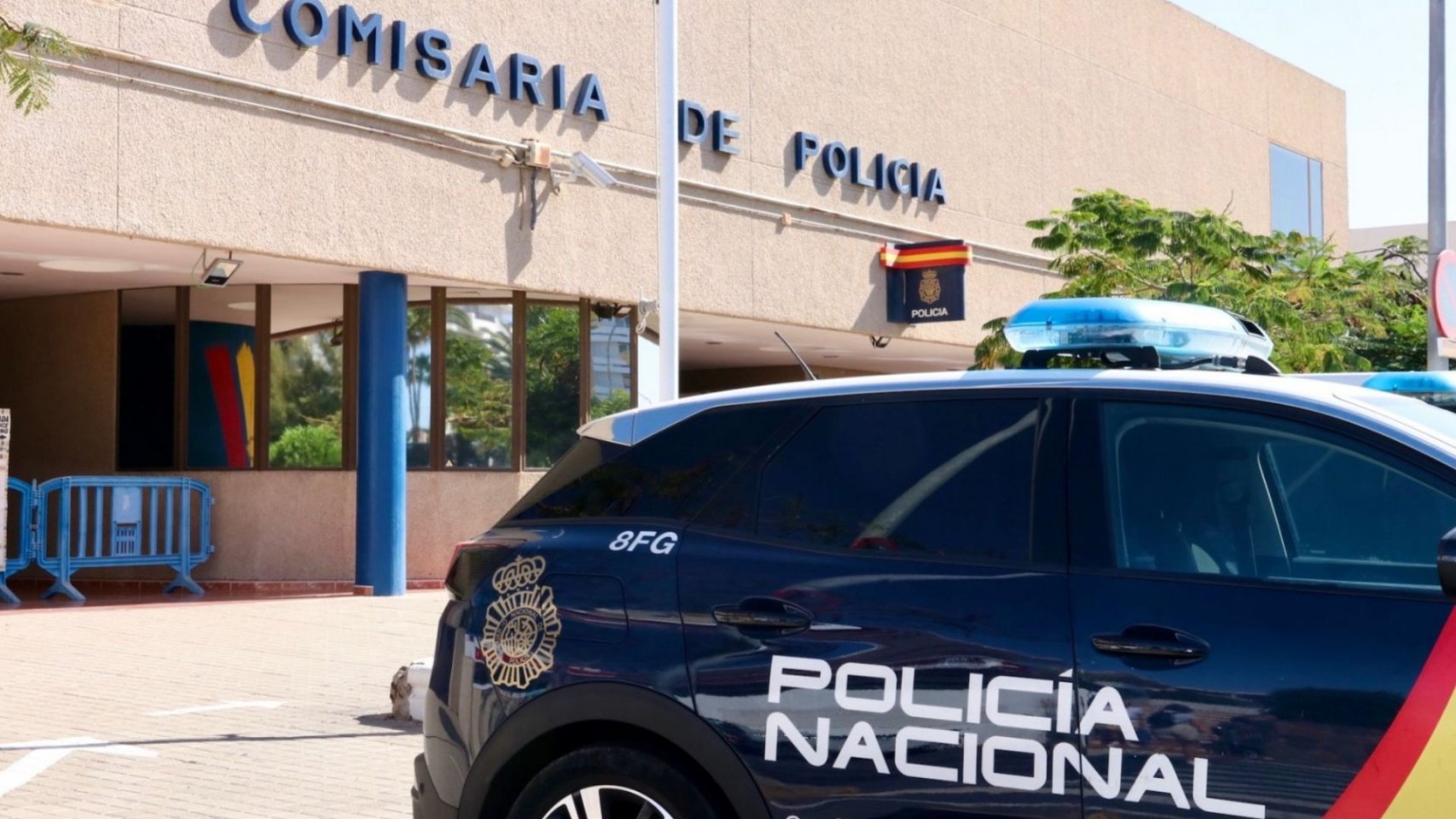
The courts have dismissed the appeal filed by a resident of southern Gran Canaria seeking a widow's pension following the death of her partner, a National Police officer stationed in San Bartolomé de Tirajana. The ruling upholds the decision of the General Directorate of Social Security Planning, which denied the benefit because she could not prove uninterrupted cohabitation at the same address for the five years immediately preceding his death.
The plaintiff and the police officer had a romantic relationship that began in 2008, formally registering their civil partnership in the Municipal Register of Civil Partnerships of the San Bartolomé de Tirajana City Council in March 2010. They lived together in that municipality until June 2018, when the officer moved to A Coruña for public service. Subsequently, the plaintiff established her residence in the municipality of Mogán in August of the same year, maintaining contact through electronic means and in-person visits until his death in April 2023.
The plaintiff's legal representation argued that the job relocation of one of the partners did not imply the breakdown of their cohabitation or their relationship, noting that both maintained their formal registration in the municipal register of de facto unions without interruption. The Social Security Administration countered that the registration certificates provided reflected different administrative addresses since 2018, thus failing to meet the legal requirement of stable cohabitation in the same home for the five years prior to the event giving rise to the claim.
The ruling falls within the framework established by the Consolidated Text of the State Pension Scheme and the Supreme Court's jurisprudence regarding the requirements for access to widow's pensions for unmarried couples. The court distinguishes between the formal requirement of establishing a de facto partnership—which must be completed at least two years in advance—and the substantive requirement of uninterrupted cohabitation for five years.
While case law allows for proof of cohabitation through various legally valid means beyond the municipal register, the Court concludes that in this case, no evidence was presented other than the documentary evidence included in the administrative file. Given that the certificates show the deceased's deregistration from the municipal register in San Bartolomé de Tirajana due to his move to Galicia in 2018 and the plaintiff's subsequent change of address to Mogán, the judgment finds that the material requirement of immediate cohabitation at the time of death has not been established.
The court ruling dismisses the claim for compensation and orders the appellant to pay court costs, setting a maximum limit of €2.600. The decision underscores the rigorous requirements for proving cohabitation, as stipulated by the State's Civil Service Pension Scheme regulations, for the recognition of public benefits in the context of unmarried couples.