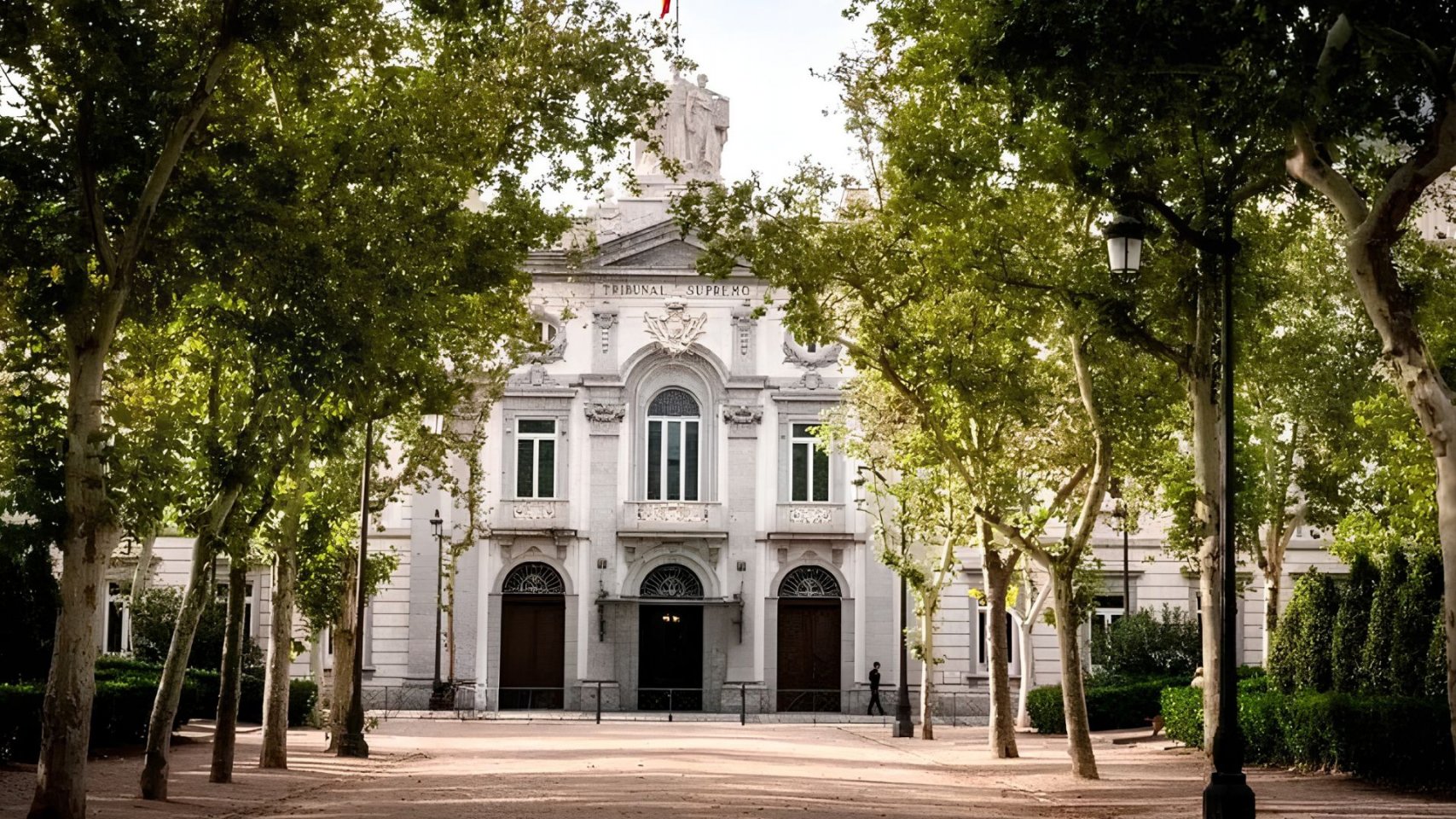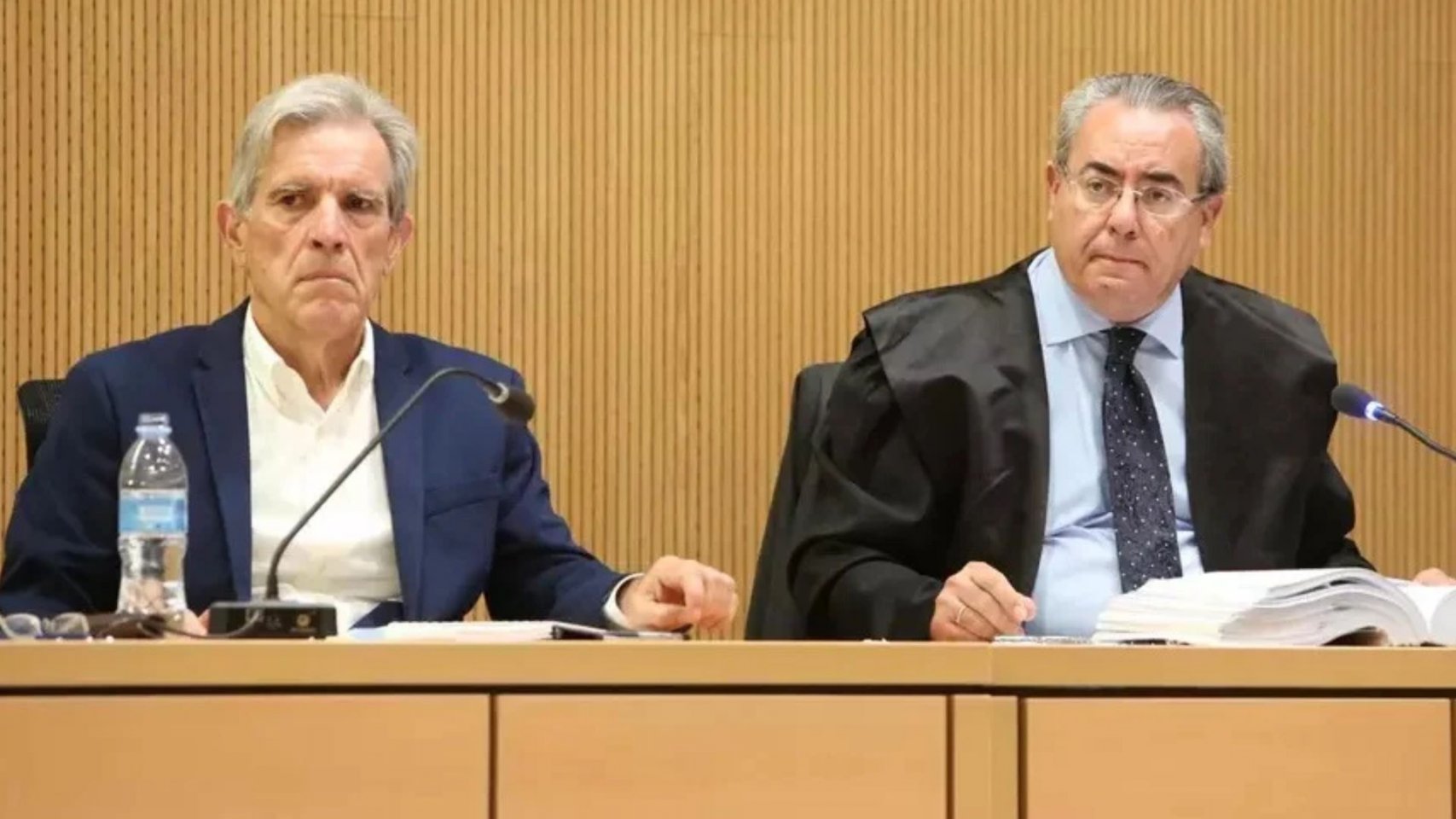
The National Court has rejected the appeal filed by the former head of the Coastal Demarcation in the Canary Islands, who sought reimbursement from the State of €34.258,35 in legal fees. The ruling by the First Section of the Administrative Chamber upholds the dismissal by administrative silence of his claim for compensation, concluding that the State should not bear the cost of his private defense in a criminal case from which he was acquitted. The legal dispute stems from criminal proceedings initiated against the former official for alleged crimes of administrative malfeasance and falsification of documents. The photograph is from the court proceedings and was published by Canarias Ahora.
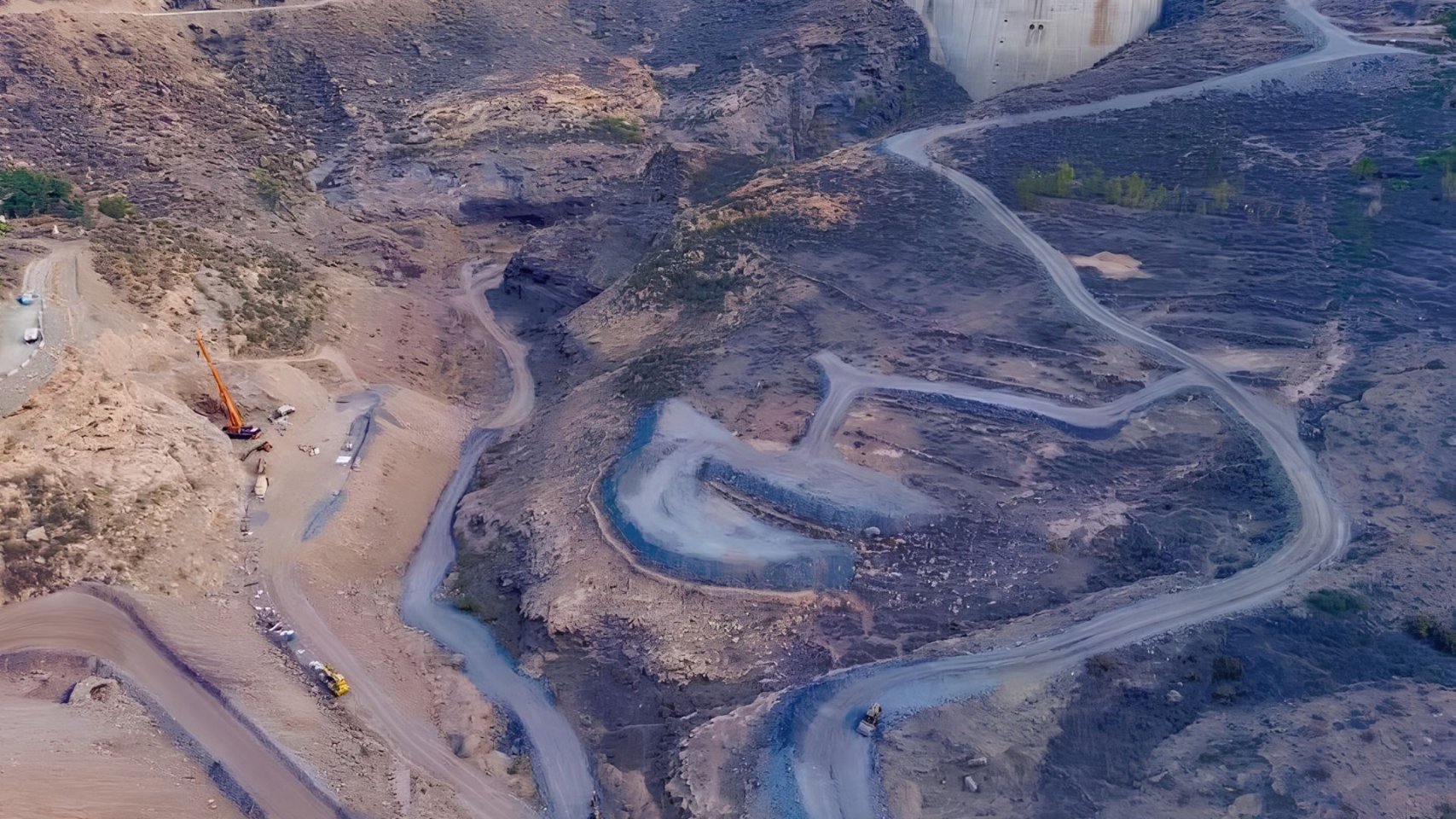
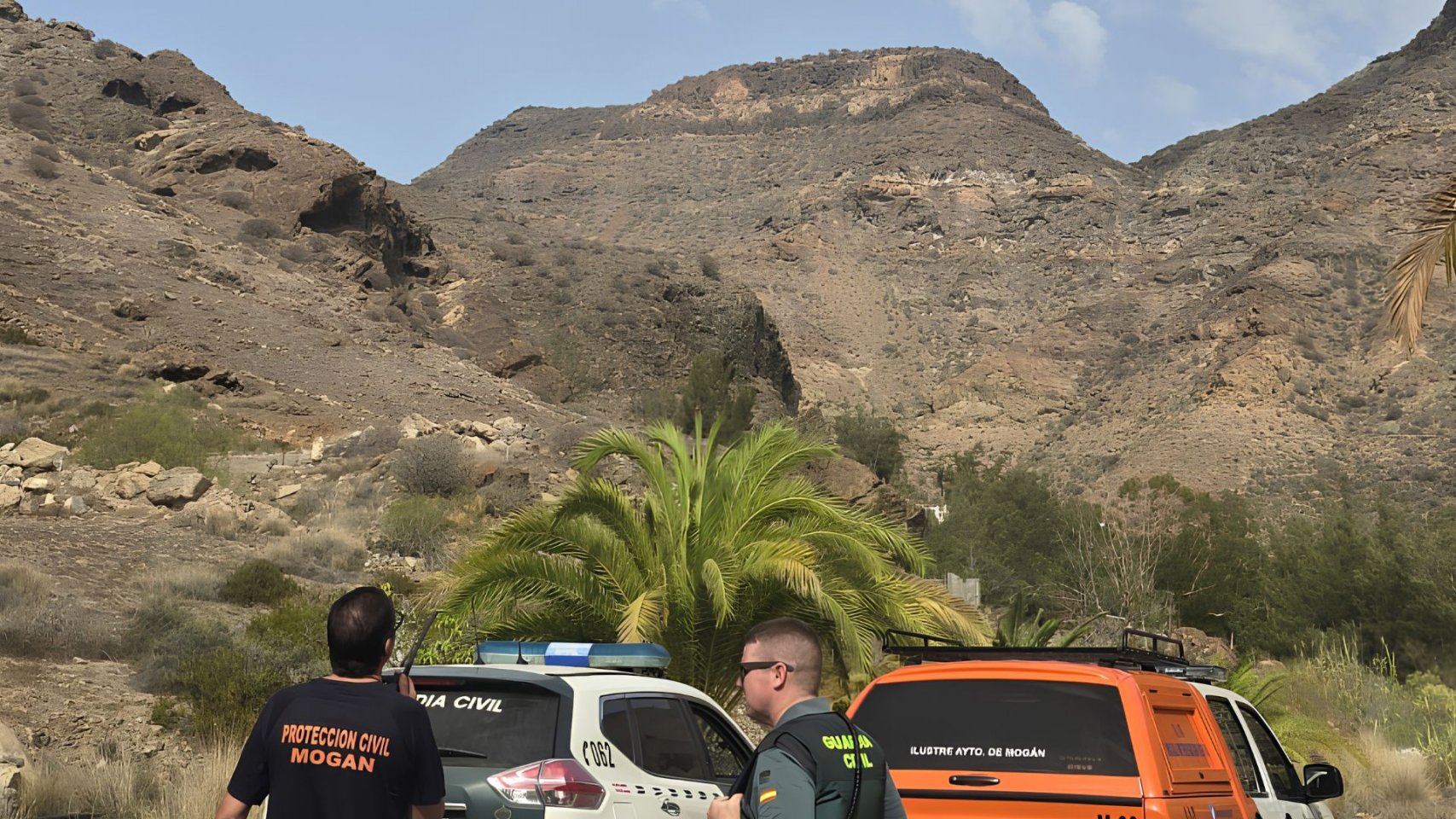
The case began following irregularities detected in the site survey report signed in February 2016, which authorized the start of the remodeling and expansion works on Tauro beach, in the municipality of Mogán. Subsequent inspections by the Directorate General for the Sustainability of the Coast and the Sea revealed that the 3.811 square meters of adjacent land that the concessionary company was required to cede to the public domain had not been incorporated, as they were occupied by private buildings, a restaurant, and a desalination plant.
For such coverage to be granted, the Court notes that it is necessary "that the proceedings be based on legitimate acts or omissions related to the position of the person requesting assistance, that there be an express resolution from the State Attorney General-Director of the State Legal Service following a reasoned proposal from the body to which the former reports, and that it be compatible with the defense of the general rights and interests of the State." Furthermore, the court emphasizes that private legal representation without the appropriate authorization entails the loss of the right to reimbursement, so that "if the official chooses to hire the services of professionals of their own choosing, they must request authorization, and if they do so without prior authorization, it is understood that they waive the right to have the Administration assume the expenses, should the need arise."
Although the Provincial Court of Las Palmas initially issued a guilty verdict, the High Court of Justice of the Canary Islands overturned that ruling and acquitted the former head of Coastal Services, a decision that was definitively confirmed by the Supreme Court in January 2022. Relying on this final acquittal and on Article 14.f of the Basic Statute of Public Employees —which recognizes the right of civil servants to legal defense in proceedings arising from the exercise of their duties—, the former executive claimed reimbursement of the legal expenses incurred during his criminal defense.
The ruling by the National Court, based on the opinion of Judge Amalia Basanta Rodríguez, establishes that the right to public legal assistance for state employees is neither automatic nor unconditional. The court argues that there is a clear conflict of interest between the actions of the person under investigation and the defense of the general interest entrusted to the General State Administration, which is legally responsible for safeguarding the integrity of the public maritime-terrestrial domain.
The ruling emphasizes that, in the face of a clear conflict of interest, public officials have a procedural obligation to request prior authorization before hiring private professionals if they intend to subsequently charge the costs to public funds. Since the claimant failed to request such authorization from the State Attorney General's Office and unilaterally opted for private representation, the Court considers that the claimant implicitly waived public coverage and voluntarily assumed the cost of his representation, dismissing the claim and ordering him to pay court costs.