The warnings issued by the main UK travel industry associations have not fallen on deaf ears in Gran Canaria. This is evidenced by the concern expressed by Gran Canaria's Tourism Councillor, Carlos Álamo, regarding rising costs that threaten the competitiveness of air transport to the island.
The UK's 2027 budget proposal combines inflation-linked increases in Air Passenger Duty and the extension of the Carbon Border Adjustment Mechanism to imported kerosene, in a context where the UK sources 75% of its airline fuel from abroad.
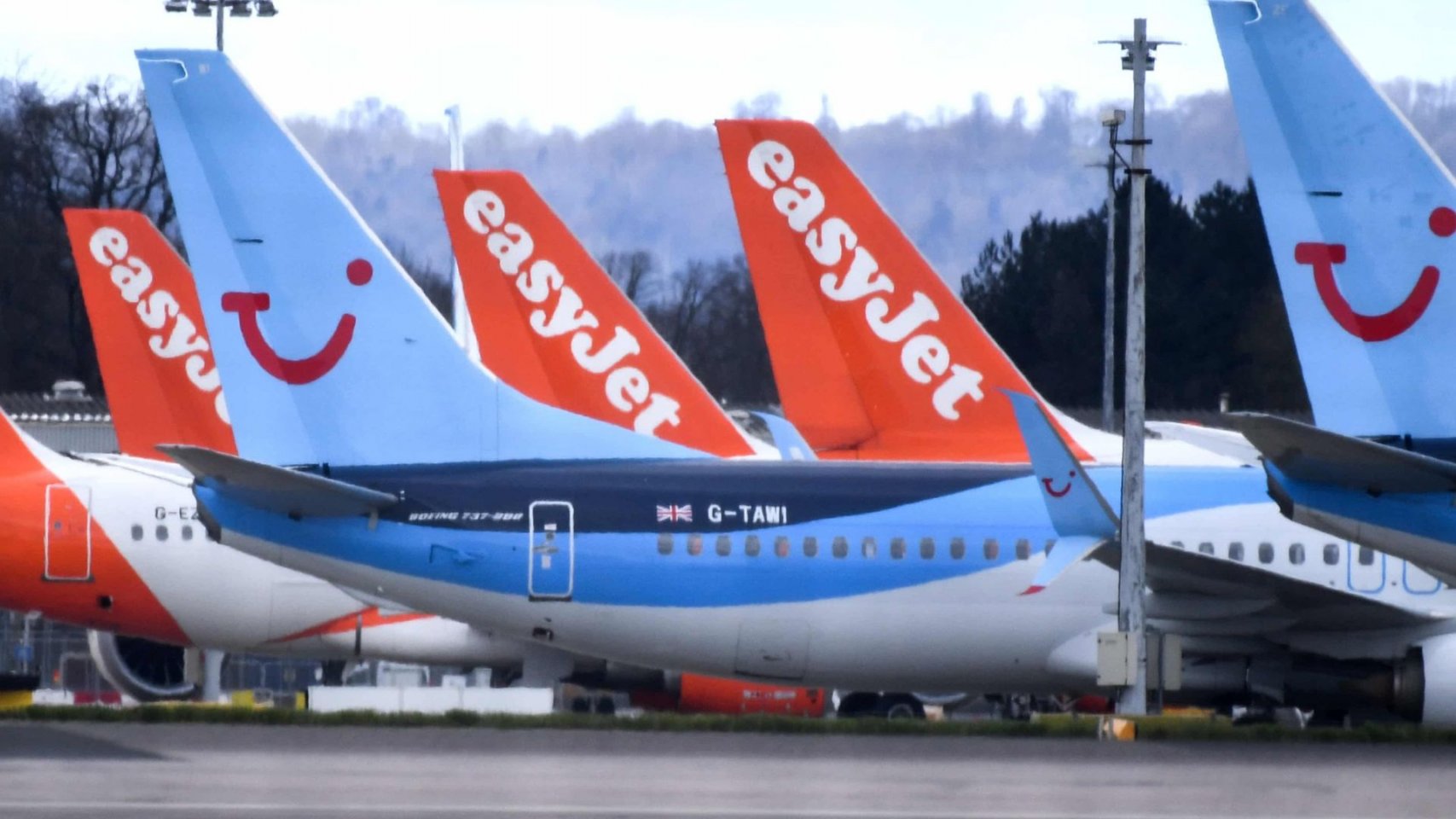
From an industry perspective, representatives have quantified the impact of these measures on airline operations and consumers' wallets. Tim Alderslade, CEO of Airlines UK—an organization representing airlines such as easyJet, Ryanair, British Airways, Jet2, and TUI—warned this November that the tax policy is delivering a "devastating blow" to air passengers at the worst possible time, increasing fares in a market that already faces some of the highest departure taxes globally.
Alamo, speaking at WTM 2026 in London on Monday, said, "We are facing a scenario for which we must be prepared through advance planning and hard work, which is why we are here today." Mark Tanzer, chief executive of the Association of British Travel Agents (ABTA), warned that the additional levies hinder the development of new trade routes. Meanwhile, Julia Lo Bue-Said, founder of the UK Outbound Travel Group, emphasized that her country has missed an opportunity to ease the pressure on family budgets, warning that the new costs will directly increase the price of family holidays.
From UKinbound, its chief executive, Joss Croft, insisted that the increase in passenger tax makes flows to and from Great Britain more expensive precisely when competing destinations are intensifying their attraction strategies.
Adding to this tax scenario are the forecasts of low-cost airlines like Ryanair, which has warned that kerosene prices will remain high throughout 2027 due to geopolitical tensions in the Middle East. Faced with an estimated increase in its fuel bill of €2 billion—equivalent to approximately €2 billion—by March 2028 and a 15% drop in net profit in the first half of 2027, the Irish airline anticipates significant increases in short-haul fares and a review of its operating costs, including the use of artificial intelligence and potential salary freezes.
"For the economic and hotel interests of southern Gran Canaria, which are highly dependent on the flow of British travelers, this accumulated increase in airfares and operating costs in the aviation sector requires strict monitoring of demand elasticity and scheduled seat capacity to protect the profitability of tourist establishments," said Álamo. The Gran Canaria Tourism Councillor acknowledged that the indicators, despite the adjustment in available seats, "point to a moderation in tourism growth and insisted that this trend should not be interpreted as a cause for alarm."
“Although arrival and revenue figures continue to grow by around 5% compared to last year, it's clear to everyone that the indicators point to a moderation in tourism growth after several years of increases. This is not a cause for alarm; on the contrary,” he concluded.