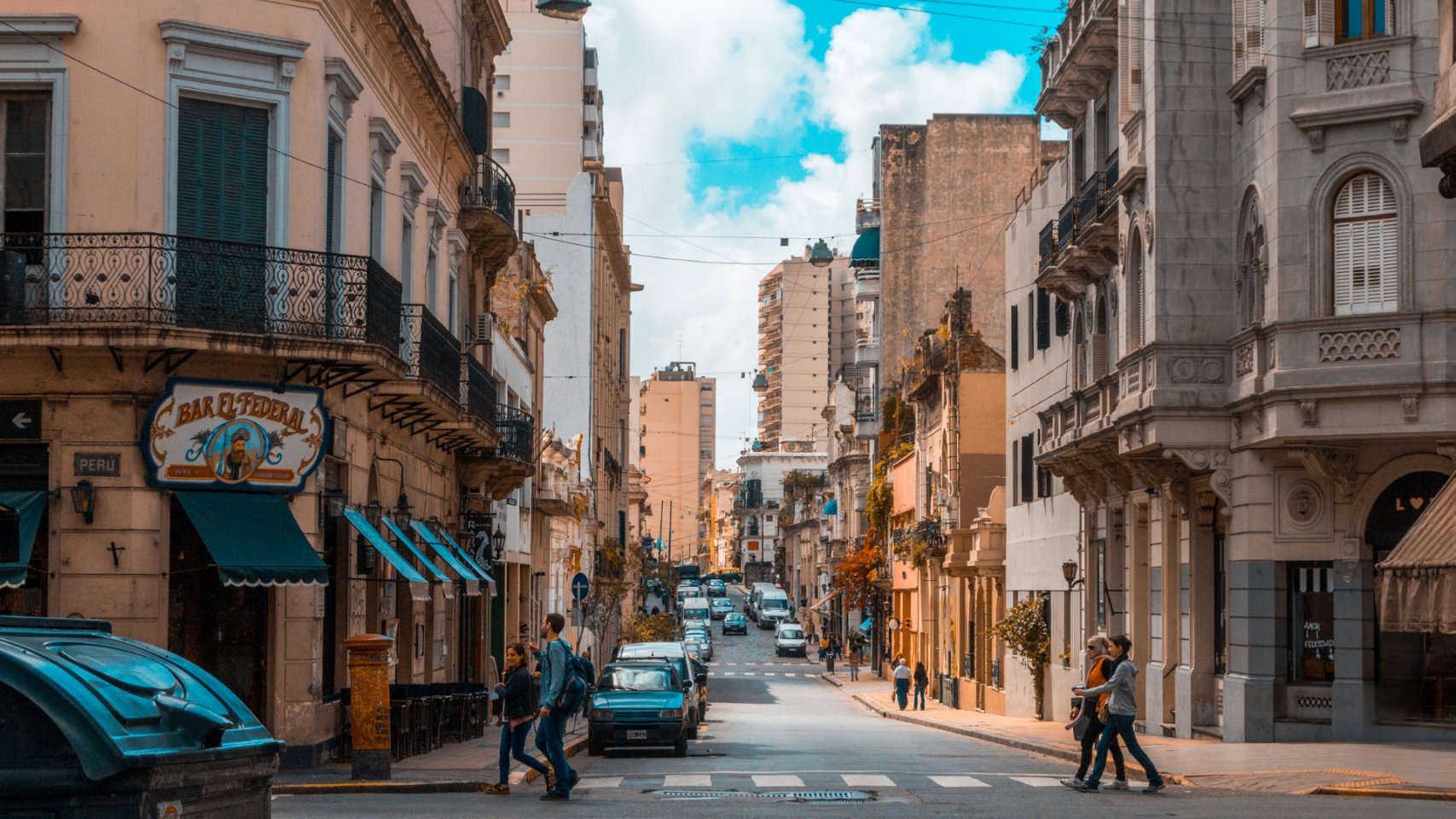
The growth of holiday homes throughout Europe and the emergence of a new tourism model attached to them has forced us to begin legislating their use.
Vacation homes have been with us for some time now. Airbnb (the main platform that promoted this model worldwide) was founded in 2008 as a room-sharing network, but just four years later it already had offices in six countries and served as an intermediary between landlords who offered their homes for tourist or tourist use. vacation and the guests who acquired these services.
What started as a cheap and affordable alternative for travelers on a low budget ended up becoming more professional and, with this, posing a problem in the real estate and urban development sector in multiple countries such as Spain. From this boom arose a term that until now was unknown to many: gentrification.
Entire blocks of homes began to be purchased, buildings renovated and even commercial premises set up to be dedicated to this type of accommodation, causing an increase in the price of housing and rent in the main cities of the countries in which the company operated but rapidly spreading to suburban neighborhoods, coastal cities and even rural areas.
A situation that began to create social controversy, with a division between large landlords and owners who were considering entering an expanding business and neighbors affected by the increase in rents and the gentrification of the neighborhoods.
A situation in which the institutions did not take long to enter. In December 2016 in Barcelona, the Barcelona city council was ordered to pay costs when it recognized before the Court that the administrative action did not comply with the law after the massive inspections that began in mid-2014. In addition, a multitude of organizations (hotels, tourist, social...) began to ask for regulation of these services.
And this has happened in Portugal, where they have not messed around and have practically taken over the vacation home business via taxes and limitations. The Portuguese government has decreed that holiday homes must pay a 15% extraordinary contribution, although in principle there was talk of up to 35%.
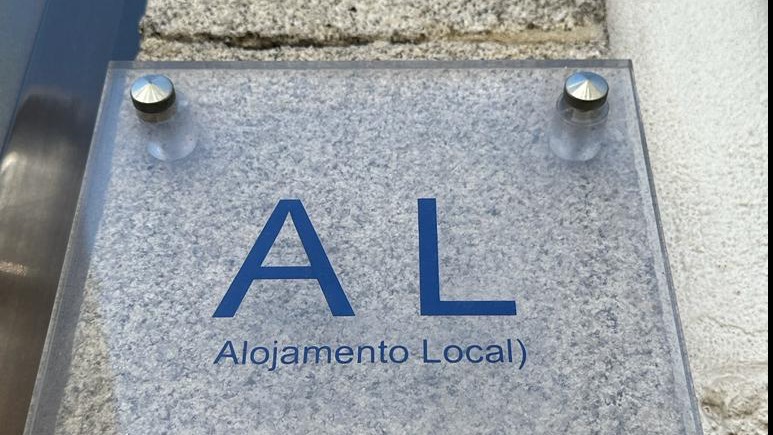
It has also prohibited the issuance of new licenses in Lisbon, Braga, Porto and various points on the coast and, finally, it has given neighboring communities the power to decide if they want to host holiday homes on their block, which also allows them allows you to revoke licenses already granted and in operation if the majority of the residents so deem it.
This position of Portugal contrasts with that of Brussels, which in November last year promised to regulate vacation rentals, but did not provide any certainty beyond some proposals such as the transparency register and certain policies regarding data transparency.
It remains to be seen what position Spain will adopt in this regard, even more so taking into account the relevance that tourism has in this country and, above all, in the Canary Islands, where tourism is the main economic engine. The pressure from the hotel sector, complaints about rent increases, the impossibility of acquiring a home for one's own use on many occasions and the gentrification of neighborhoods in large cities makes the Portuguese option very attractive in various sectors of the population. society, but it will be the central government that has the last word in this new stage that the vacation rental housing sector is experiencing.