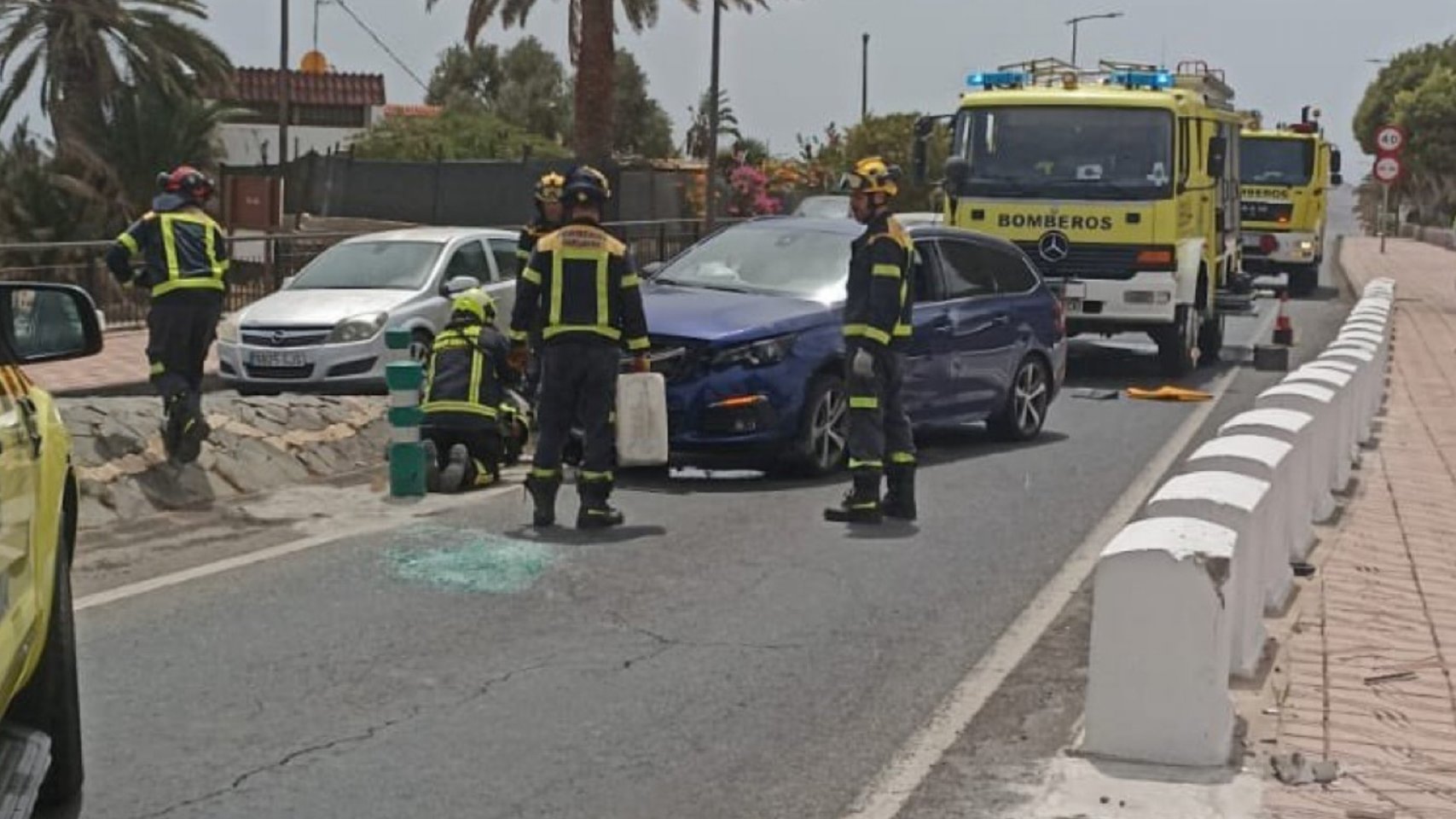
Amphibious planes have become the hope to cling to when the Canarian mountains burn, so much so that receptions and applause are now common as a sign of gratitude to their pilots when refilling water in the Canarian ports.
Its recognizable yellow color has crossed the sky of Tenerife these days amid applause and recognition from the neighbors who helplessly watched the island's mountains burn. These are the Canadair CL-215, better known as seaplanes or amphibious aircraft.
These aircraft have become a key element in extinguishing forest fires in the Canary Islands in recent years, to the point that the Canarian people have asked to have a fixed base in the archipelago so that they can act more quickly in the event of a fire. . However, this request has created a great social debate, since many experts consider that amphibious aircraft, although they are of great help, are not the best option to fight forest fires due to the orography of the Canary Islands. Instead, they recommend the imposing Kamov helicopters.
Despite this, the Canarian people always show their support to the pilots of these planes and show them their recognition in the ports when they carry out recharging maneuvers. It already happened in Gran Canaria in 2019 and it has happened this last week in Tenerife, where the striking sight of these planes and their recognizable yellow color descending between the buildings of Santa Cruz has impressed the people of Tenerife.
However, there are many things that are not so well known about these aircraft, at least for the average citizen. We tell you some of the main characteristics of these aircraft.
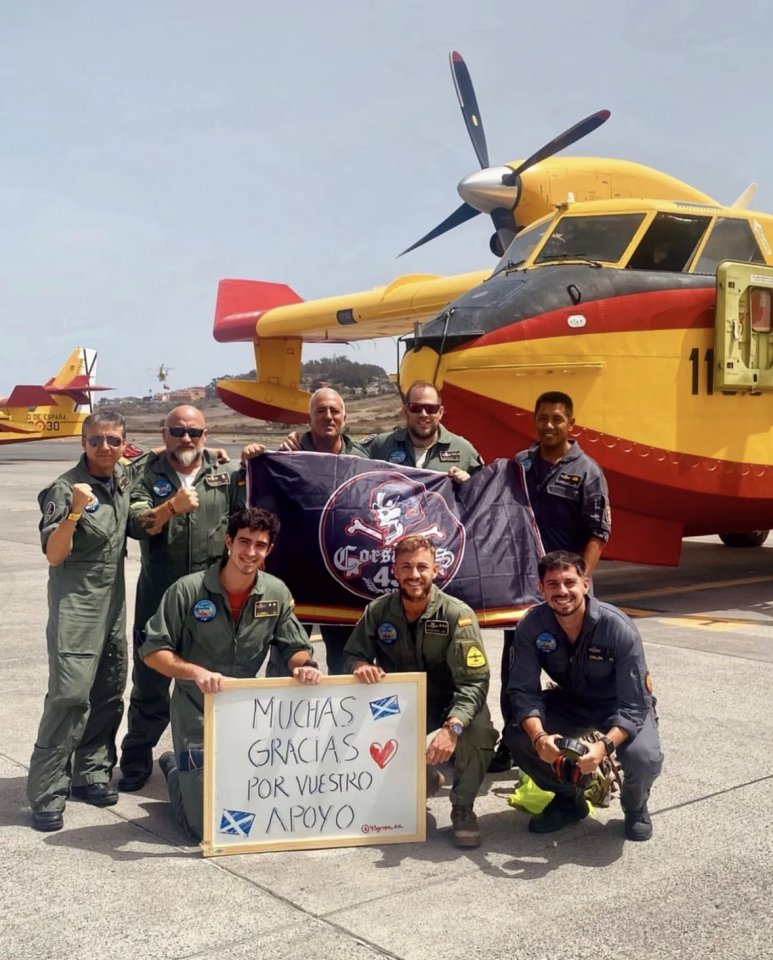
Spain has a fleet of 18 Canadairs that are divided into two models: 14 CL-215 and 4 CL-415. This type of aircraft began to arrive in Spain on February 8, 1971, so they have been in the service of the Spanish people for more than half a century.
The fleet of these aircraft is under the responsibility of the 43 Group, a unit of the Spanish Air Force that prepares its pilots for more than five years before taking command of these aircraft. As a curiosity, the motto of this unit is “Turn it off… and let's go” – a nod to the extinguishing work carried out in so many fires during its history.
Its propeller engine is not like that of a conventional commercial airplane, they are radial engines from the American company Pratt & Whitney, specially designed to operate in the harsh conditions of a forest fire.
Despite what many may believe, not the entire body of the plane stores water inside. The plane has four tanks, two for water and two for fire retardant. In the water tanks the plane can carry a total of 5346 liters, while the retardant tanks a total of 300 liters. During refueling maneuvers, water enters the plane through two retractable probes mounted on the underside of the aircraft, behind the keel.
Fortunately, this weekend there was no need to intervene in the Tenerife fire due to its favorable evolution, but the people of Tenerife (and all the Canarian people) can be certain that when the flames return to the mountains of the archipelago, both the Canadair and the professionals of the 43 Group will once again be on the front line fighting the fire.