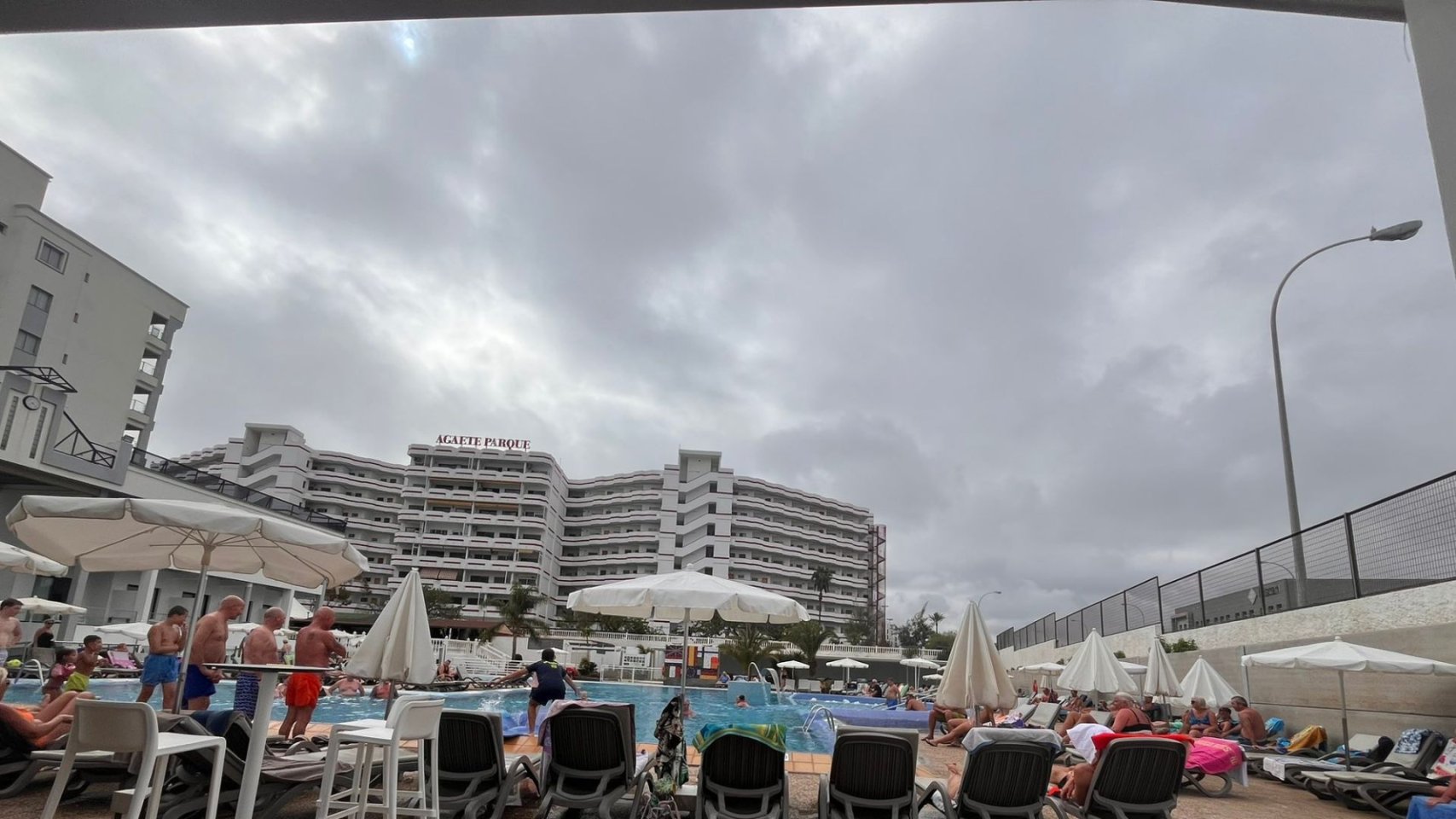
Tourism, yes, but not like this. This is a perception that is deeply rooted in the collective feeling of the citizens of the Canary Islands. It is framed in a context of growing social unrest reflected in the recent demonstrations that, under the slogan "The Canary Islands have a limit," have been held in the Canary Islands in recent months. Thousands of people have taken to the streets to express their concern about the effects of mass tourism and the overexploitation of the islands' natural resources.
WALK AROUND GRAN CANARIA THROUGH THIS LINK
The number of people who attended the demonstrations has been different on the different islands. The concern is greater in some areas than in others, because not all the islands suffer the same pressure on citizens and the natural environment. I insist again and again that the reality of Gran Canaria is very different. On this island, millions of cubic metres of sewage are not dumped into the sea, there has been no need to declare a water emergency, no large hotels have been built for more than ten years and it has almost two million fewer tourists than Tenerife, without this being reflected in the GDP or in the percentage of unemployed. We have always said and will continue to say that more is often less. That tourist success cannot be based on continuous growth, that the important thing is that people who visit the island spend more and that their average stay is longer.
However, there are common problems that need to be addressed. Tourism in the Canary Islands accounts for 35% of our GDP and is responsible for the creation of 40% of direct jobs in our region, which can reach up to 70% if other sectors of our economy draw on it. Despite these figures, this autonomous community leads the ranking of communities with the highest poverty rate and lowest salaries. Something doesn't add up.
On the other hand, the housing problem makes it very difficult for families and young people looking to become independent to find a home to rent or to pay the rent if they find one. We need to face the challenge of rethinking the tourism model and its relationship with the island economy and societies.
Last week, the Gran Canaria Island Council presented a series of ambitious and decisive proposals to address the demographic challenge and sustainability in the archipelago , with particular attention to territorial inequality and the tension arising from the current tourism model. This was done within the framework of the process promoted by the Government of the Canary Islands, through the Conference of Presidents, to listen to the island councils—and also the municipalities—when considering alternatives to a model questioned by citizens, social and political organizations, institutions, and others. A growing number of us believe that measures are needed to balance the resources generated by tourism and ensure their more equitable distribution among the population, enabling us to break with a deeply unequal society and one with a very high poverty rate.
The Cabildo's proposals are organized around four fundamental pillars: the protection of the natural environment, cultural and educational heritage, the cohesion of the territorial model, and economic and social governance. Within this framework, one of the most noteworthy points is the proposal to approve an ecotax, a tax already in place in major tourist destinations worldwide, which would be paid by non-residents for their stay in tourist accommodations . The revenue would be earmarked for specific purposes, specifically the rehabilitation of public infrastructure and the preservation of natural resources. I don't understand the stubbornness of business organizations in opposing it. They must understand that times and mindsets are changing, and that environmental awareness is growing among both visitors and residents. It's not worth entrenching themselves indefinitely, as this only fuels public opposition.
Furthermore, an urgent moratorium on permits for holiday rentals has been proposed until a holiday rental law adapted to the Canary Islands' specific circumstances is approved. This law would differentiate between small and large landlords and regulate the activity to prevent residential areas from becoming exclusively tourist zones . This measure aims to curb the uncontrolled expansion of holiday rentals, which has been a growing concern in the islands' most densely populated areas.
Another key aspect is the limitation of the sale of homes to foreigners not settled in the Canary Islands, a regulation necessary to protect the local population's access to housing and prevent prices from continuing to skyrocket due to external demand.
Housing is one of the critical issues for improving living conditions on our islands. We are proposing a four-year plan for the construction of public housing in each municipality, with the aim of reducing the existing demand. In addition, we have put forward a plan to put up for residential rent a portion of the more than 211.000 vacant homes that exist on the islands, facilitating access to housing for young people with low incomes and the long-term unemployed.
For rural and depopulated areas, we are committed to measures that guarantee water sovereignty, which is vital for reforestation and the increase in cultivated areas. In addition, we are planning to boost employment related to the care and dissemination of natural heritage, which would allow population to settle in these areas and promote lifestyles that contribute to the sustainability of the landscape and traditional culture.
On the other hand, for the most populated municipalities, we promote a sustainability approach that includes actions related to mobility, energy and food sovereignty , as well as the implementation of specific programs to transform these areas into spaces consistent with the eco-island and eco-neighborhood model. These proposals aim to resize healthcare, social care, and educational infrastructure and improve the quality of life in urban neighborhoods, strengthening public services so that they adapt to the real needs of the population.
Trade union, institutional and business dialogue must urgently advance in improving working conditions and increasing wages. Specific and qualified training for the people needed by the sector must also be deepened, because it is difficult to understand so much unemployment with so much tourist occupation. All these elements will improve the perception of the citizens about the job opportunities offered by tourism and will prevent the arrival of foreign labour. Tourism companies cannot remain distant from the social, cultural or sporting reality of the islands as they are at the moment.
The proposals of the Cabildo largely respond to these demands. The eco-tax and the moratorium on holiday homes are clear examples of actions aimed at mitigating the negative impact of tourism on the territory and on the resident population. However, it remains to be seen whether these measures will be implemented with the speed and forcefulness necessary to calm social discontent.
In short, the Gran Canaria Island Council's proposals offer a comprehensive response to the demographic and sustainability challenges facing the archipelago . The creation of a specific budget, similar to the Canary Islands Development Fund (FDCAN), along with measures such as the ecotax and the regulation of holiday rentals, represent a firm step towards a more balanced and equitable development model.
However, it is crucial that these proposals do not remain merely on paper. The success of these initiatives will depend on their effective implementation and the ability of the administrations to ensure that the benefits reach the entire population, especially the most vulnerable sectors. The recent demonstrations are a clear indication that the public is alert and demands real and tangible solutions to the problems affecting the islands. The Canary Islands are at a turning point, and the decisions made now will determine their future. All of this must be addressed through a genuine commitment from the institutions—especially the Government of the Canary Islands, which holds the majority of the powers in the aforementioned areas—and through dialogue and prudence from social, labor, and business organizations to avoid confrontation and its consequences.
Antonio Morales Méndez
President of the Cabildo of Gran Canaria