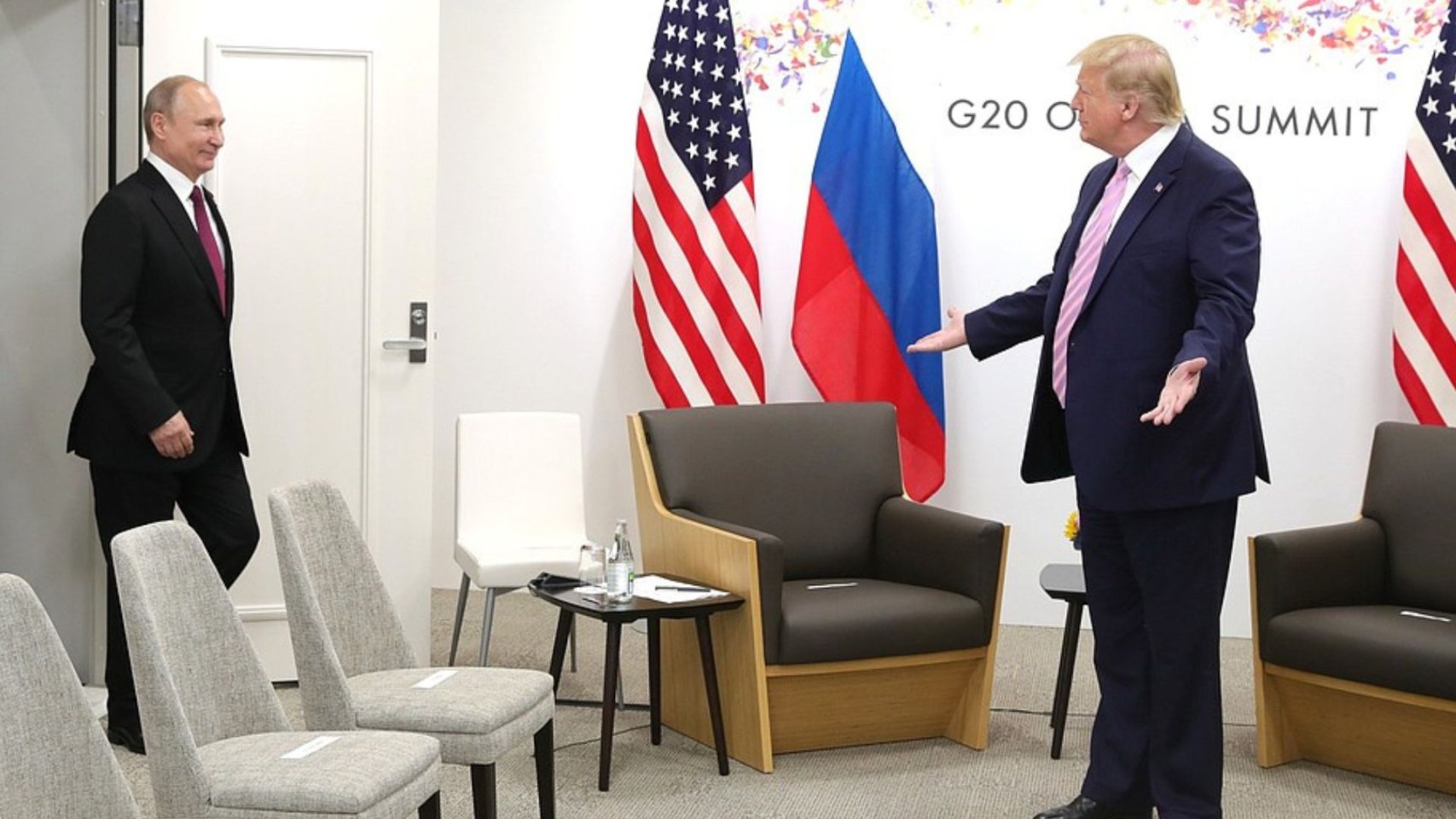
If Trump and Putin reach an agreement on Ukraine in the first months of 2025, it is possible that Russian tourism will finally arrive in Gran Canaria, although the problem is coexistence with the Nordic countries, that is, it would be necessary to create specific products. Just when Moscow launched its special military operation on Ukraine, Aeroflot was going to start direct flights from Moscow to Gran Canaria. But Brussels decided to close airspace and eliminate tourist visas and the market never took off.
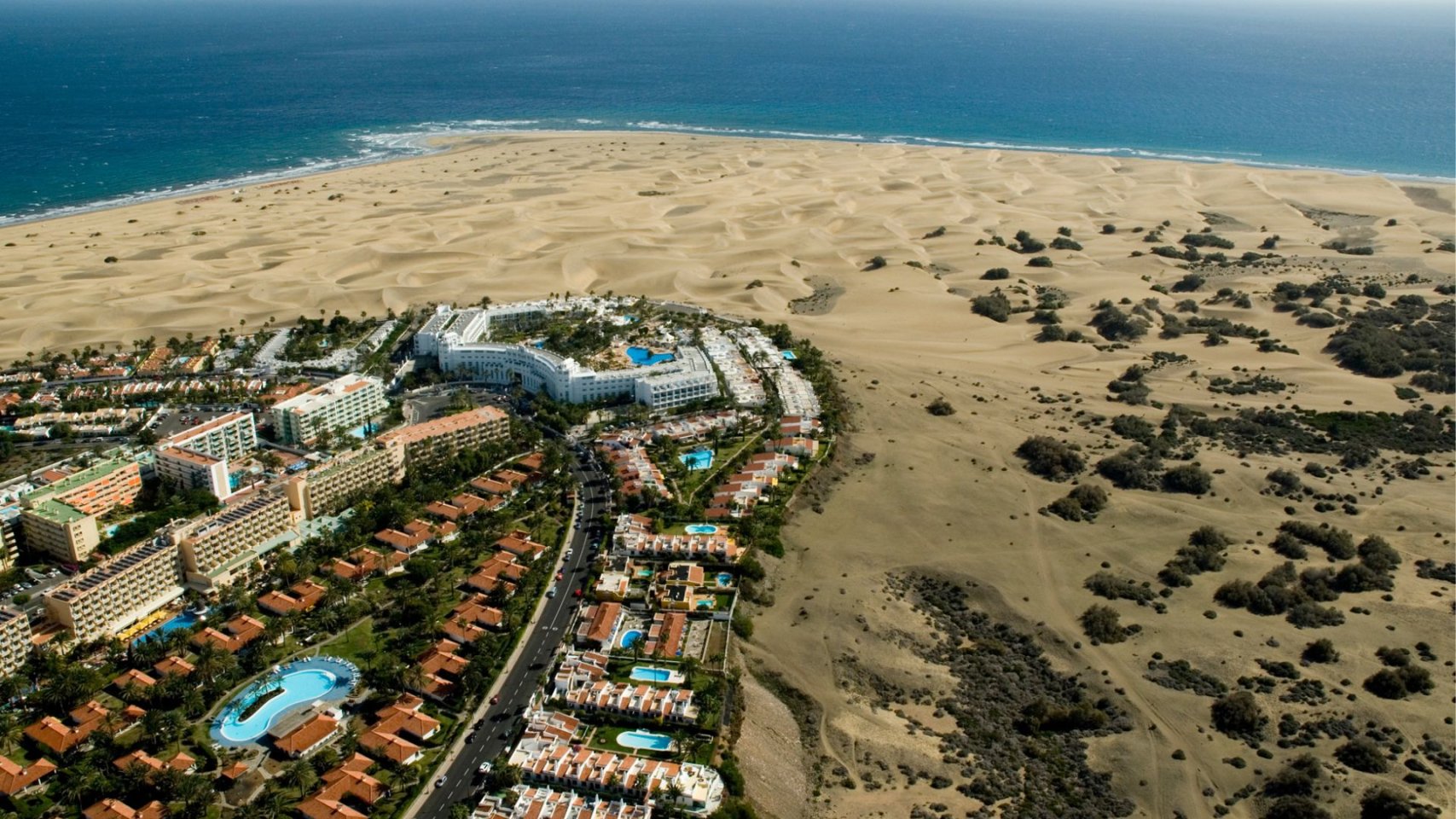
In this period, as Tenerife has broken the status quo of respecting the traditional Nordic and German markets for Gran Canaria, the south of Gran Canaria is legitimised to take a bite out of this business which, it must be remembered, is the one that spends the most in the world outside of hotels. Since the Russian special military operation in Ukraine, Agadir has benefited from the closure of the Canarian market. The south of Gran Canaria has the potential to benefit from the reset of Russian tourism if the conflict in Ukraine is resolved but the problem is in Las Palmas, where managers with interests in Tenerife can condemn the efforts of areas such as Maspalomas and Meloneras.
The Canary Islands have experienced a significant impact due to the war, not only in the area of imports and exports, but also in Russian tourism, a key market for the archipelago. In 2019, Russian tourists contributed 144,5 million euros in tourist spending, with Tenerife capturing 82,6% of this market from all the islands. That year, the Canary Islands received 73,583 Russian travellers, of which 60.472 went to Tenerife, 10.647 to Gran Canaria and 1.859 to Lanzarote. 63,3% also valued the security of the region, were repeat visitors, and their profile is distinguished by a higher average daily expenditure compared to other visitors, with 151,90 euros compared to 140,18 euros.
Before the conflict, Russian tourism to the Canary Islands was on the rise, with numbers reaching 75.026 tourists in 2018. Although direct air connections from Russia to the Canary Islands are currently inactive due to the war, the arrival of Russian tourists has begun to recover via third-country airports. This suggests that, with the resolution of the conflict, Gran Canaria could benefit from an increase in Russian tourism.
Gran Canaria could take advantage of this reset in tourism to attract Russian tourists who previously preferred Tenerife. In 2018, Russian tourists spent an average of €2.152 per trip, representing a significant economic opportunity for Gran Canaria. In addition, the average stay of Russian tourists was 15,2 days in 2021, indicating long-term revenue potential for the island. If Gran Canaria can offer an attractive and competitive tourist experience, it could capture a share of this market given that Tenerife has been closed and can start from scratch.
The problem lies not so much in Tenerife, but in the perception and tourism strategy of Las Palmas, where the political power over the economic capital of the Canary Islands, i.e. Maspalomas, lies. To change this dynamic, Las Palmas would need to receive adequate pressure from the south of Gran Canaria to diversify its tourist offer and make it more accessible and attractive to a wider Russian public. With an adequate strategy, the island could attract Russian tourists who previously preferred Tenerife, taking advantage of their spending capacity and longer stay. However, this will require a change in the perception and tourism strategy in Las Palmas.