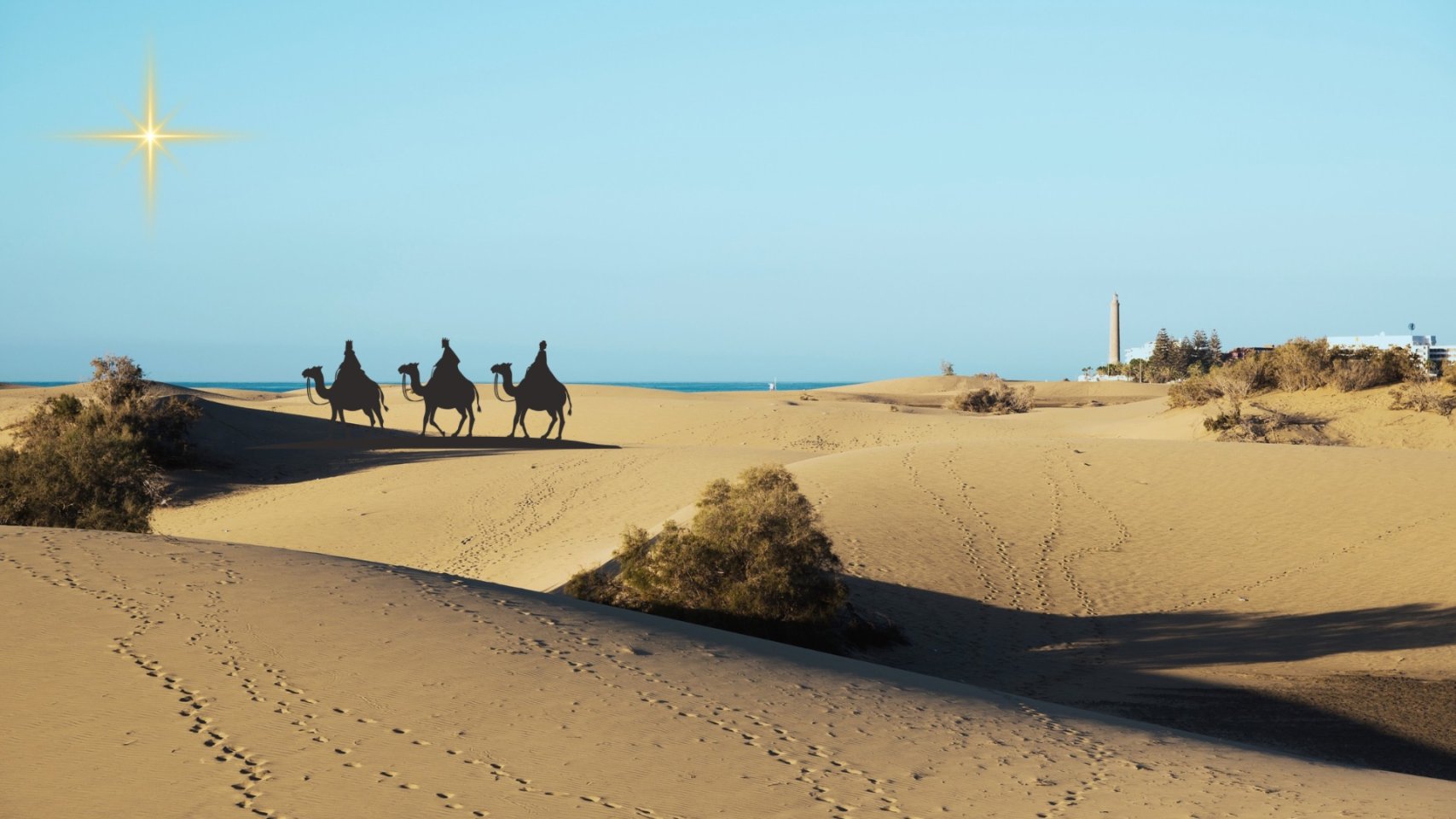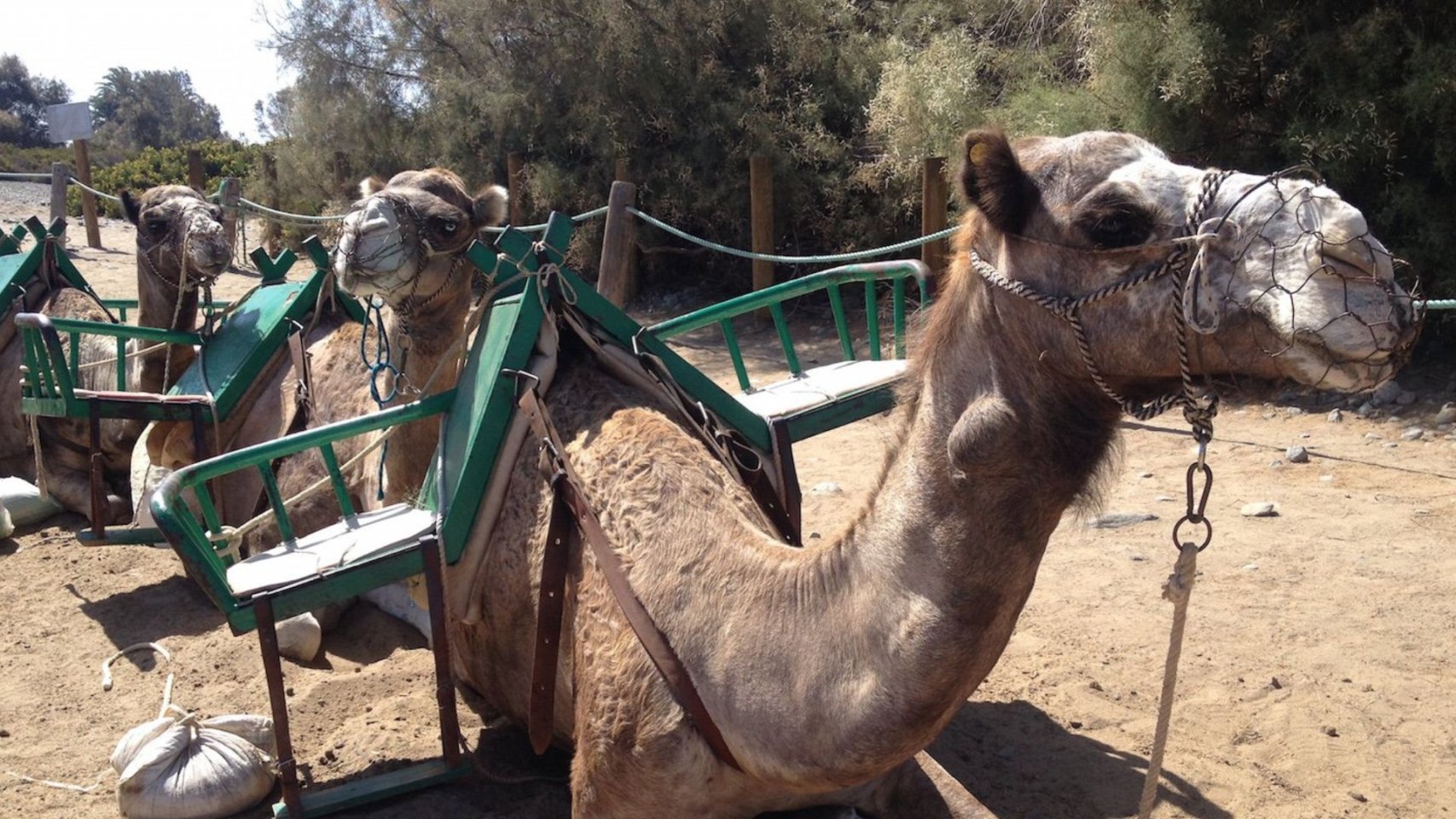
The Canary Islands Camel Breeders Association has issued a strong statement rejecting the recent statements by the Franz Weber Foundation against camel rides in the Canary Islands. According to the Association, these misinformed attacks, promoted by a foreign lobby disconnected from the island's reality, threaten a key activity for the conservation of a unique breed in danger of extinction and the cultural and economic development of the islands.
“Camel rides are much more than a tourist activity; they are an essential component of our identity and sustainability,” said Guacimara Cabrera, president of the Association. Cabrera stressed that this activity is regulated under strict standards that guarantee animal welfare, environmental sustainability and support for more than 500 families who depend on it.
The Franz Weber Foundation, founded in 1975 and known for its controversial media campaigns, has unjustifiably singled out the Canary Islands and areas of Fuerteventura and the south of Gran Canaria. The Association criticises that this organisation, without knowledge or dialogue with professionals in the sector, uses isolated incidents to promote sensationalist agendas that do not reflect local reality.
Camel rides in the Canary Islands have specific regulations that include load limits, continuous veterinary care and external audits, making the islands an international benchmark in responsible tourism and animal welfare. Studies such as those carried out by the Genetics Department of the University of Córdoba support this activity as key to avoiding the extinction of the Canarian camel. The Association urges the Government of the Canary Islands and the Cabildos to strengthen their commitment to the protection of this activity against external interests that ignore its cultural, social and environmental importance. “Defending camel rides is defending the future of our heritage, our biodiversity and our way of life,” concluded Cabrera.
Before becoming a tourist attraction, camels played a fundamental role in the economy of the islands. They were used to transport goods and people in hard-to-reach areas, as well as for agricultural work. Their endurance and ability to adapt to arid climates made them indispensable allies for the inhabitants of the islands. The future of camels in Maspalomas tourism is linked to sustainability and animal welfare. It is essential to raise awareness among tourists about the importance of respecting these animals and choosing tour operators that comply with current regulations. In addition, initiatives are being carried out to promote the conservation of the species and ensure its long-term survival. The creation of captive breeding programs and collaboration between different institutions are some of the measures being adopted to preserve this natural heritage.