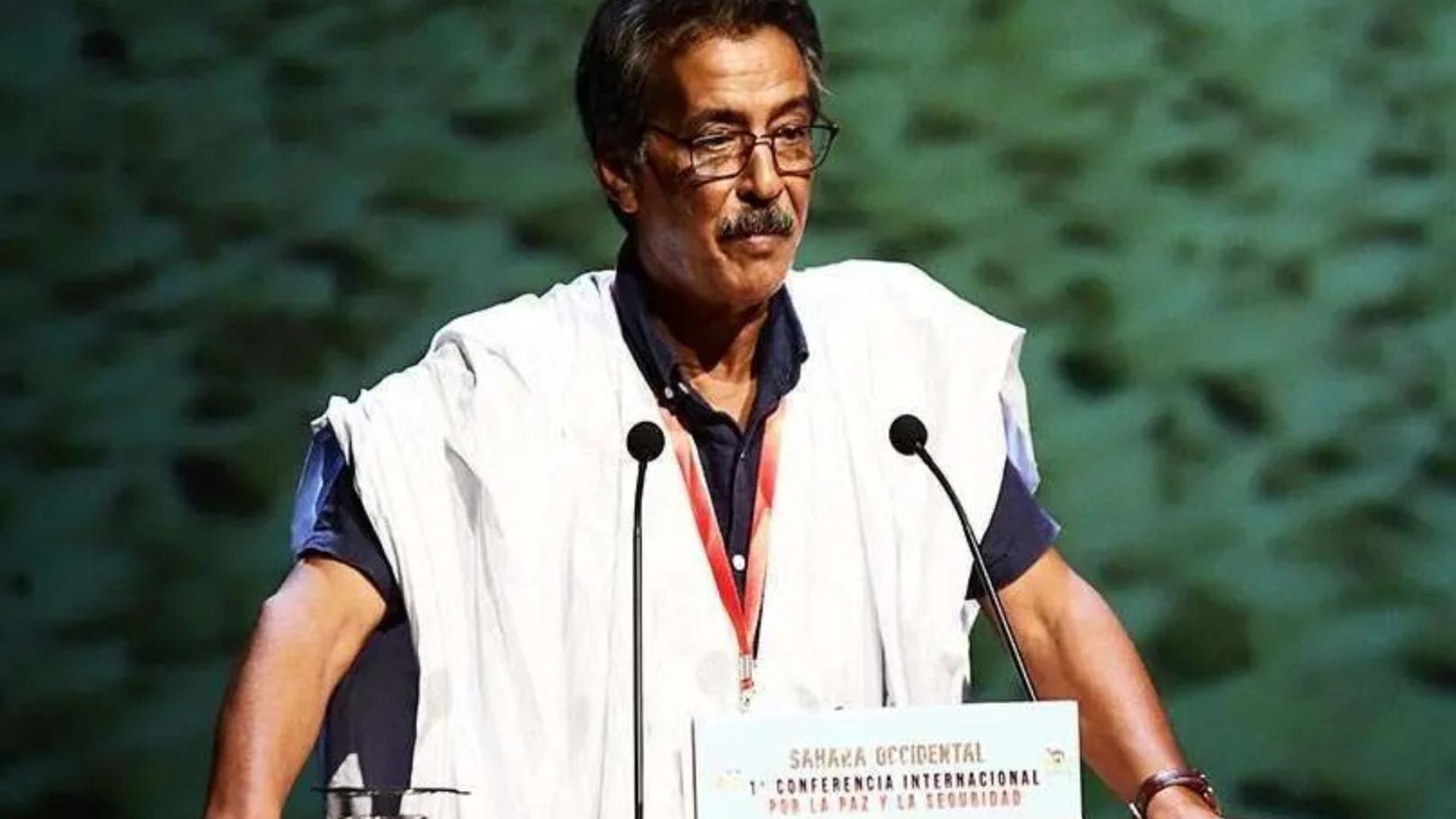
The Sahrawi Movement for Peace (MSP) is holding the International Conference for Dialogue and Peace in Western Sahara for the third time this Thursday. As in the first edition of the conference, the event will take place this Thursday, February 27, 2025 in Las Palmas at the La Caja Canarias Initiatives Center (CICCA) without the approval of the pro-Algerian Polisario associations on the islands. The Sahrawi Movement for Peace (MSP) has indicated, through an official statement, that its organization is “the key to a political, fair and lasting solution to the Sahrawi dispute.”
The MSP understands that the Polisario Front and the Sahrawi Arab Democratic Republic (SADR) are experiencing a situation of total decline due to the withdrawal of political support, mainly in Latin America and Africa. According to the MSP, the Polisario Front is experiencing an “unprecedented crisis” and the MSP itself is calling for the recovery of the credibility and strength necessary to face the Sahrawi dispute. The conference will feature appearances by Sahrawi tribal chiefs, such as Ergueibi Hassena El-Idrisi; political figures, such as former president José Luis Rodríguez Zapatero, former minister Bono or professor Rafael Esparza, as well as representatives of political parties belonging to the Socialist International.
On this occasion, members of more than 130 political parties associated with the Socialist International from more than 70 countries will gather. “The Sahrawi Peace Movement represents a qualitative change in the political landscape related to the Sahara issue. This Movement has achieved significant international recognition, concretized by its accession to the Socialist International, the largest political organization in the world. A fact that reflects the relevance of the MSP’s vision and objectives on the international scene,” explained Mohamed Chérif, Head of International Relations of the MSP.
As on previous occasions, the Conference will provide an opportunity to promote dialogue as the only way to achieve a solution to the conflict over Western Sahara, rejecting all forms of violence. “This Movement has a distinctive character: unlike the Polisario Front, the MSP rejects violence and advocates a lasting political solution to the Sahara conflict. Recent geopolitical changes in the region have deeply affected the dynamics around this issue, contributing to the further isolation of Polisario,” continued Chérif.