CC and PP don't understand. The opposition encourages others to seek pain by generating tourismophobia against southern Gran Canaria at the expense of the destination's own destruction, because they want to stem the drain of Podemos's votes. This is why the perception is generated that society is worse off with tourism. They want to create a Trojan horse to continue generating income as activists because they know they're already sunk in vote projections.
And tourists are no longer just a source of income. In Maspalomas, the tourist heart of the Atlantic, they have become the villain in a carefully scripted story. On the street, on social media, and in assemblies, a narrative is growing in which tourists devour the water, drive out residents, and destroy identity. But the most revealing aspect is not the noise, but the silence: no one is pointing the finger at the PSOE (Spanish Socialist Workers' Party), despite the fact that it has been one of the great architects of the tourism model over the past few decades.
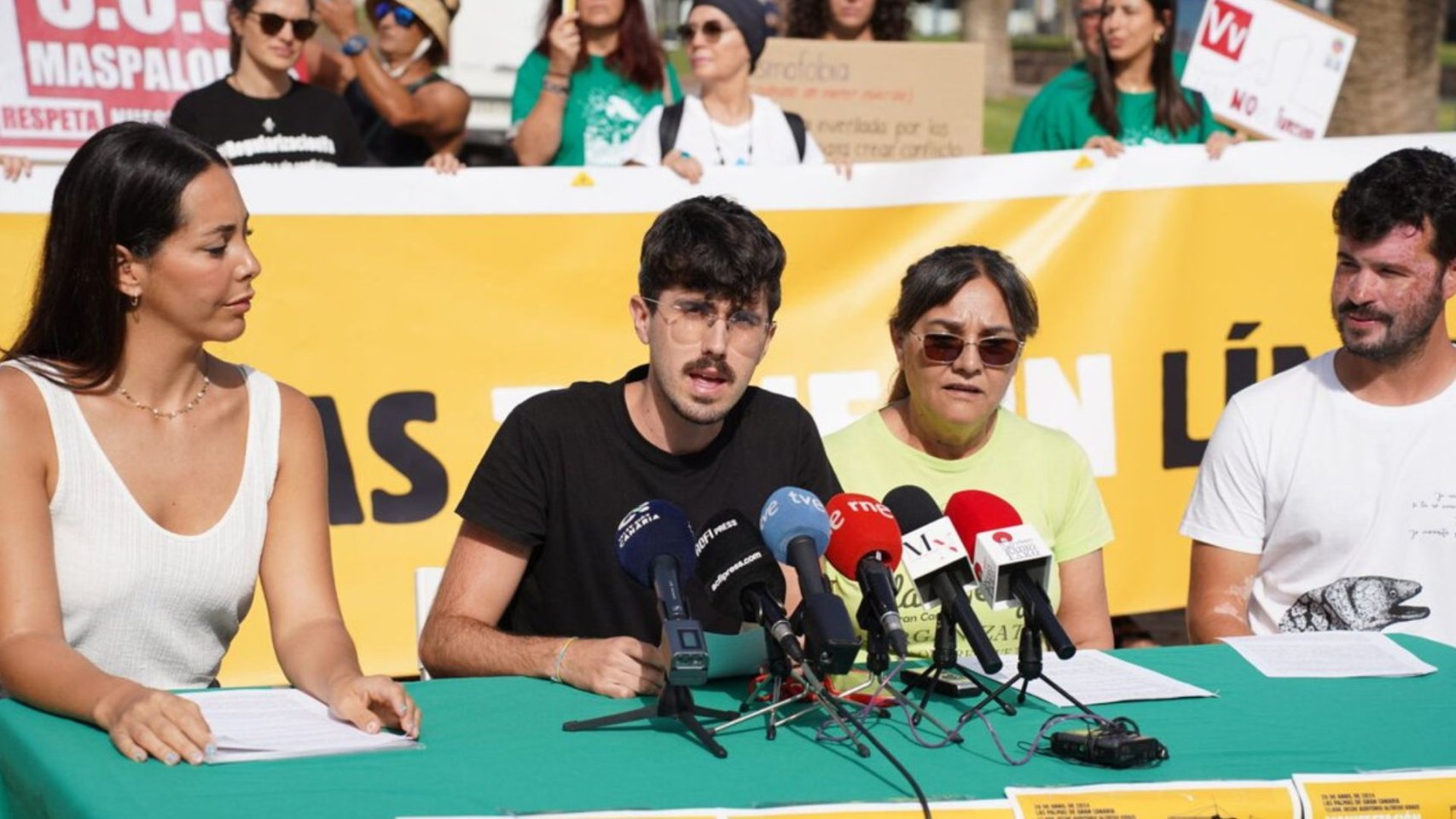
In April, the protests against "uncontrolled tourism" swept through the streets of Las Palmas, Arrecife, and the southern beaches, marking the turning point. There, amid banners and mats, the focus wasn't on laws, decrees, or urban development plans, but rather on business owners, tour operators, and vacation rental platforms. The target was clear: tourists and those who make a living from them. But not on those who had managed the model for decades from within the institutions.
San Bartolomé de Tirajana and Mogán, Gran Canaria's two tourist giants, generate 42% of the island's GDP and more than 65% of hotel overnight stays. In 2023, Gran Canaria welcomed 4,5 million tourists, of whom more than 3 million chose the south.
Total tourism spending on the island exceeded €5.700 billion, with an average daily tourist expenditure of €160, the highest since 2017 (ISTAC). The sector directly employs 32% of the working population in the south, and indirectly employs another 20%, according to Exceltur data.
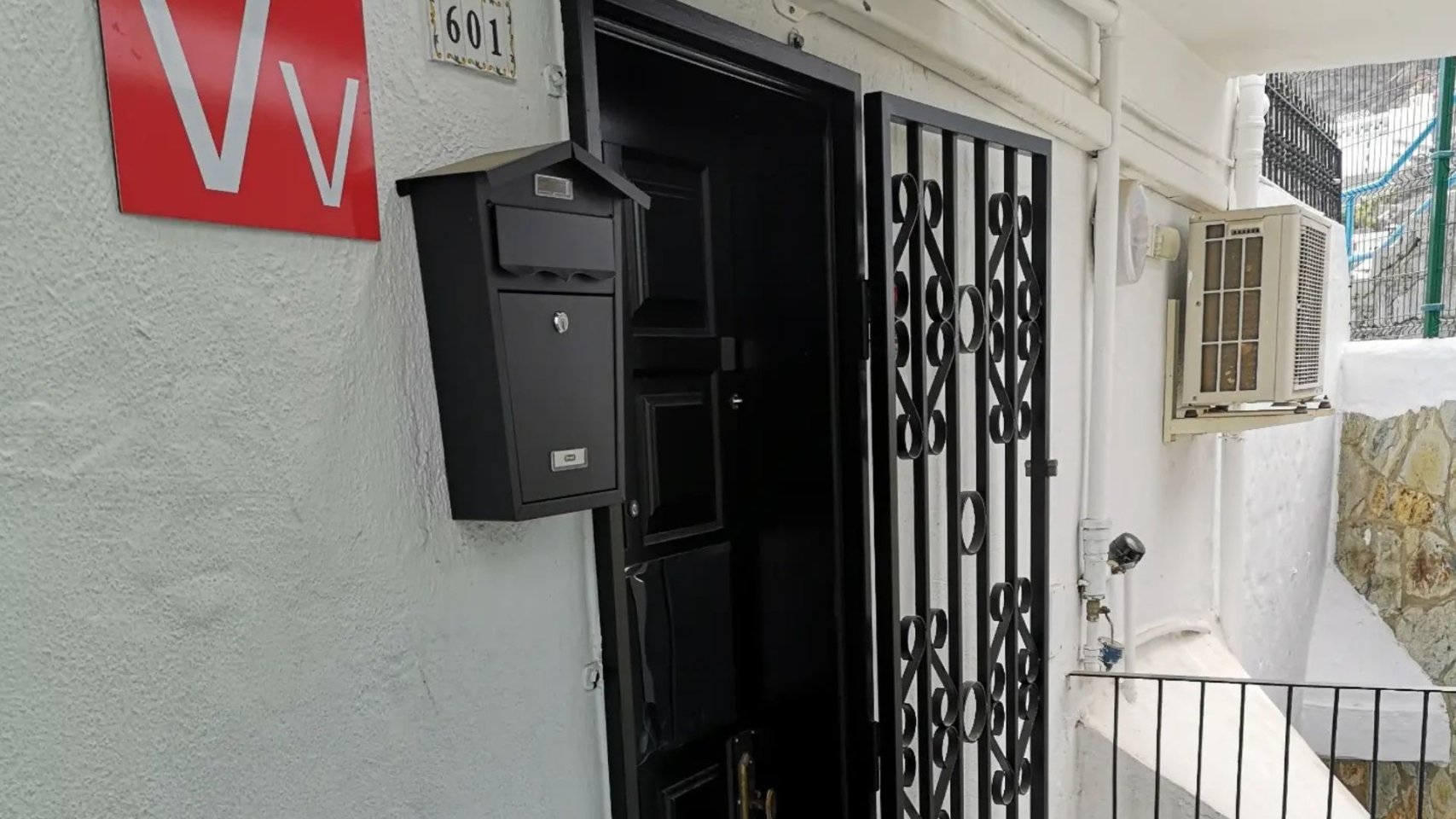
In San Bartolomé de Tirajana, the average rent is already over €11,5/m², according to Idealista. And in Mogán, areas like Puerto Rico and Playa de Mogán are over €13/m², with rents reaching €1.200/month for two-bedroom apartments. It is in this breeding ground where protests are flourishing.
The demonstrations are presented as spontaneous, but the patterns are repeated. The initiators are well-known networks: former 15M platforms, housing groups linked to Stop Evictions, subsidized cultural associations, former Podemos members turned activists... and a PSOE (Spanish Socialist Workers' Party) that watches from the sidelines without anyone mentioning it.
Despite having governed the main tourist town councils, island councils, and tourism departments for years, the PSOE manages to remain outside the spotlight. It achieves this in part because it directly or indirectly finances many of the actors leading the protests. Through social projects, European programs, equality and sustainability plans, and citizen participation, public subsidies are received, which are then translated into logistics, campaigns, and mobilization.
Examples? In 2023 alone, the Gran Canaria Island Council allocated more than €2,1 million to associations linked to "community action," "social cohesion," and "critical youth." Several of them appear to have promoted or supported the housing and anti-tourism marches.
The PSOE: Greatly Absent, Greatly Beneficiary
The strategy is effective: let anger grow, let the streets speak, let the pressure mount. And then present yourself as a mediator between the citizens and the economic powers that be. A familiar move. Podemos already implemented it in 2014. Today, the same mechanics are being reworked in southern Gran Canaria.
The one who pays the price is the tourism sector, which feels persecuted and delegitimized, while financing—via taxes—an administration that tolerates rhetoric that threatens its survival. The result is paradoxical: the model that sustains employment, revenue, and local development becomes a scapegoat... while those who designed it are erased from the narrative.
Tourism isn't perfect. It requires regulation, redistribution, investment in public housing, and real sustainability. But without it, Maspalomas wouldn't have desalinated water, a sanitation system, or jobs for 30.000 people.
What's at stake in southern Gran Canaria isn't just an economic model, but a narrative of power. And as long as the PSOE continues to pull the strings, the narrative will continue to point the finger at tourists and businesspeople... and not at the true political leaders responsible for the housing chaos that is being passed off as social struggle.