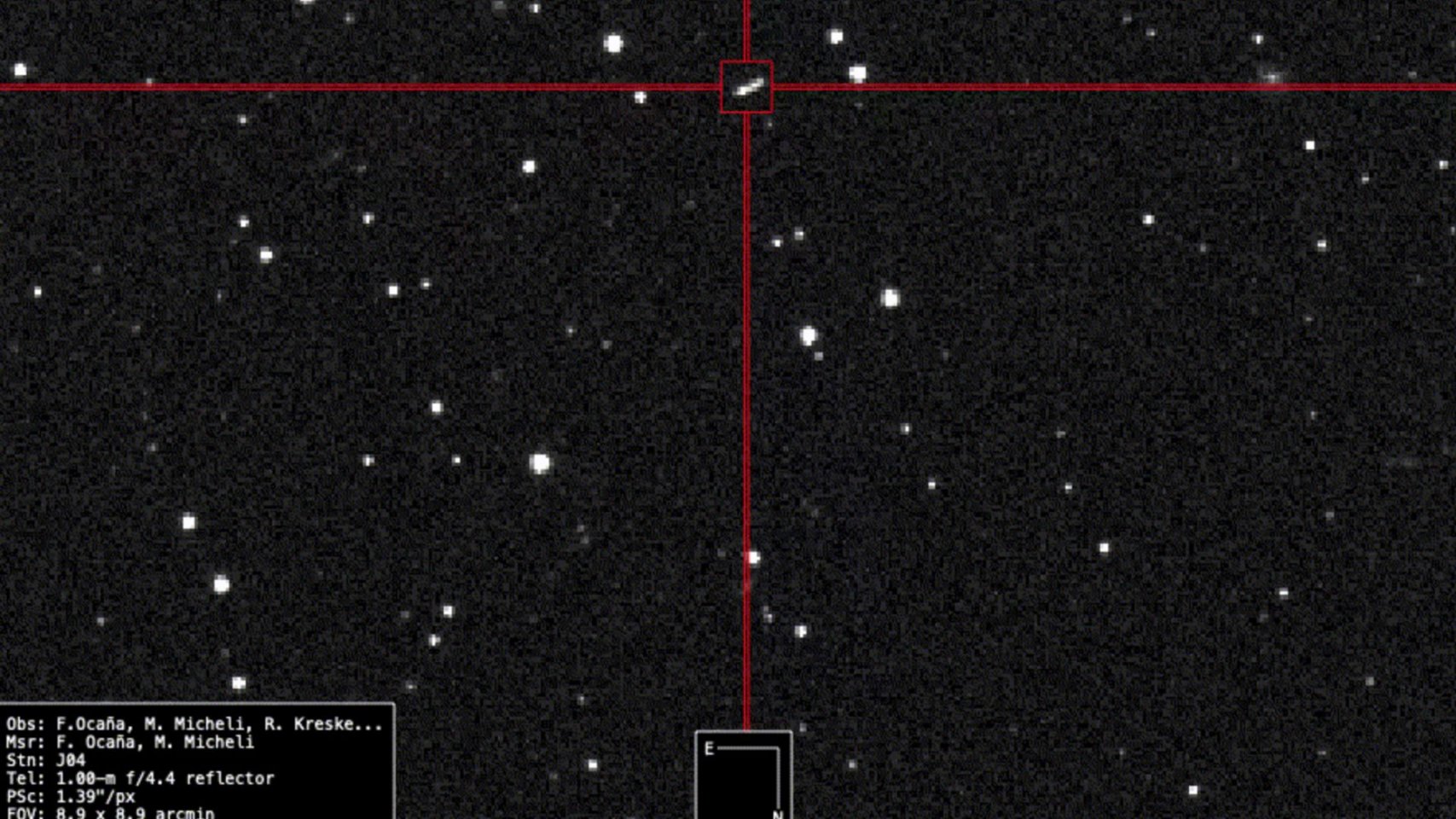
The news of the atmospheric reentry of Rumba, the European Space Agency's (ESA) Cluster-2 mission satellite, over the Pacific Ocean resonates deeply in the tracking facilities at Maspalomas Station. This event marks the end of an "extraordinary 24-year mission," which for the technology and investment sectors represents a milestone in durability, efficiency, and risk management.
The case of Rumba is not a simple operational decommissioning; it is a lesson in resilient engineering and a narrative that defies predictions of obsolescence. Originally conceived as the engineering model (spare part) for the Cluster 1 mission, Rumba should never have reached orbit. However, following the tragic failure of Ariane 501 in 1996, the satellite was refurbished and promoted to full flight status, successfully launching in 2000. Rumba's trajectory is notable for two reasons that directly impact the evaluation of investment in space technology:
Rumba has operated for 24 years of continuous science, far exceeding the expected lifetime for a satellite of its generation, especially one that began as a prototype. This underscores the high quality and redundancy of European engineering and maximizes the return on investment (ROI) in science data. The successful use of an engineering model as a post-disaster replacement demonstrates ESA's exemplary adaptability and asset recovery capabilities, mitigating the risk of total mission loss.
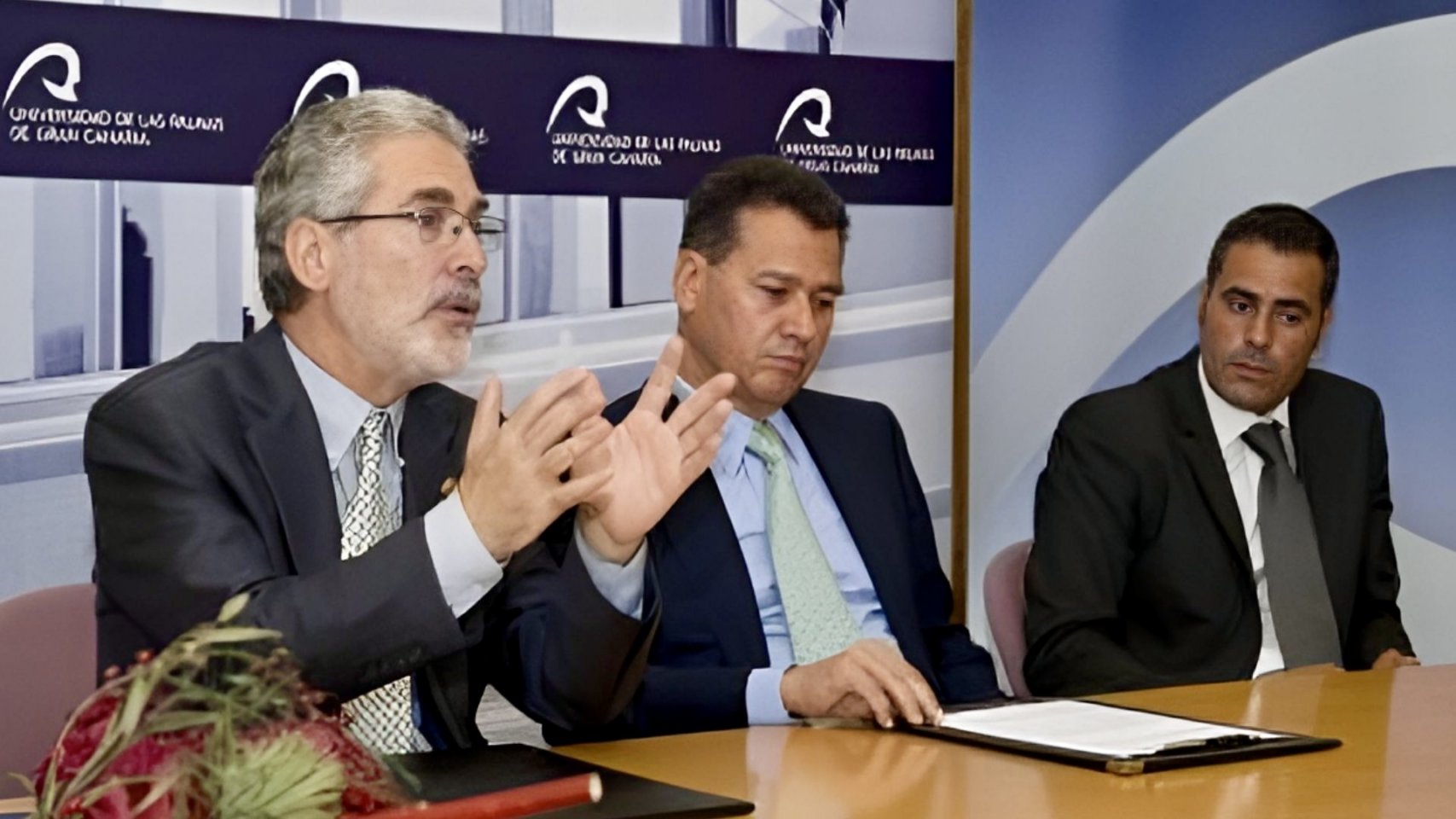
The Vilafranca, Maspalomas, and Kourou stations have been monitoring every Rumba signal until the "last possible moment." Maspalomas' role as a key hub in the tracking and data reception network underscores the Canary Islands' strategic importance in the space ecosystem.
Although the Cluster's remaining satellites will continue until August 2026, Rumba's farewell symbolizes the success of a mission that transformed our understanding of the magnetosphere and the impact of the solar wind on Earth. Its legacy is proof that, even in the aerospace industry, human capital, persistence, and the ability to pivot can turn a spare part into an irreplaceable scientific asset.